


Why Do Academic Performance Changes Sometimes Signal a Need for Adolescent Psychiatric Evaluation?
Understanding the Connection Between Academic Performance and Mental Health
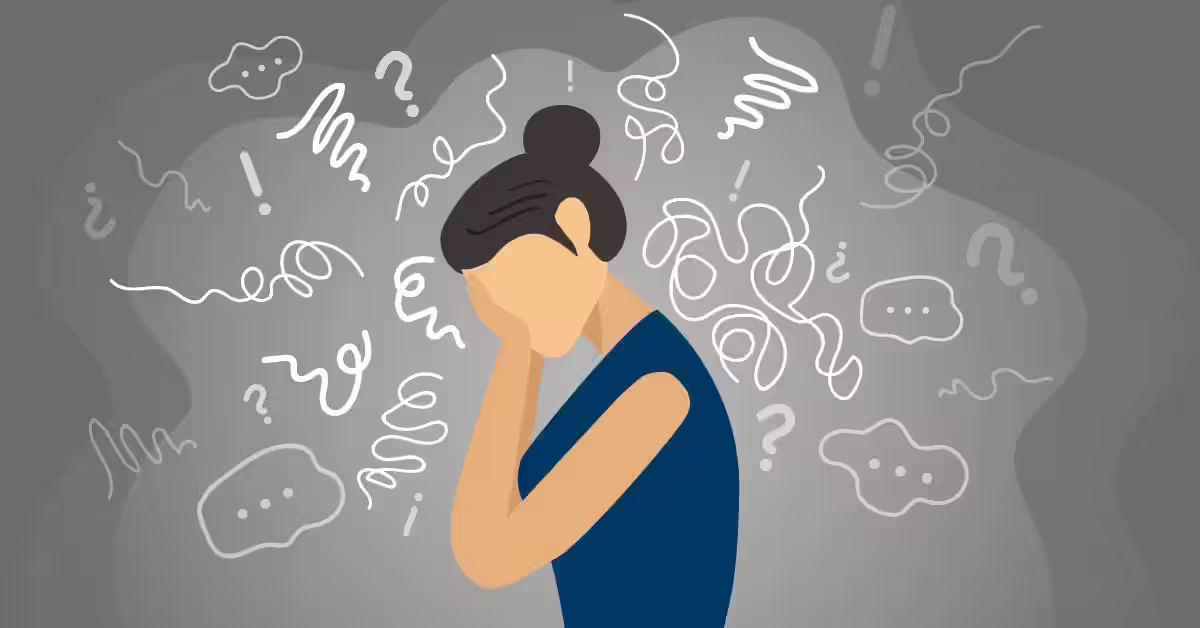
Academic performance is often viewed as a measure of a teenager’s knowledge, discipline, and ability to manage responsibilities. However, sudden or persistent changes in grades, classroom participation, and study habits can sometimes indicate underlying emotional or psychiatric concerns. Adolescence is a critical developmental period during which young people experience significant changes in their brains, emotions, relationships, and social environments. These changes can make it difficult for some teenagers to manage academic expectations while coping with psychological challenges. When a previously engaged student begins struggling without an obvious explanation, it may be helpful to consider whether emotional well-being is affecting their ability to learn. At Focus DFW, we recognize that understanding the reasons behind academic difficulties can help families identify when additional mental health support may be appropriate.
Recognizing Sudden Changes in Academic Achievement
A noticeable decline in academic performance can be one of the earliest signs that a teenager is experiencing difficulties beyond the classroom. Students who previously completed assignments consistently may begin missing deadlines, avoiding homework, or struggling to concentrate during lessons. Some teenagers may experience declining test scores despite spending more time studying, while others may stop participating in activities they once enjoyed. These changes do not automatically indicate a psychiatric condition, as academic challenges can also result from learning difficulties, family stress, sleep deprivation, or changes in school expectations. However, when academic struggles persist or occur alongside noticeable changes in mood, behavior, or daily functioning, further evaluation may be beneficial. Paying attention to the timing, frequency, and severity of these changes can help parents and educators determine whether a teenager needs additional support.
How Anxiety Can Interfere With Learning
Anxiety can significantly affect a teenager’s ability to concentrate, retain information, and perform consistently in academic settings. Students experiencing excessive worry may become preoccupied with examinations, grades, classroom participation, or the fear of disappointing their parents and teachers. These concerns can consume mental energy that would otherwise be available for problem-solving, memory, and learning. Some teenagers may develop perfectionistic habits, repeatedly checking assignments or spending excessive time preparing for relatively minor assessments. Others may avoid school presentations, examinations, or particular classes because they anticipate embarrassment, criticism, or failure. When anxiety becomes persistent and interferes with school attendance, academic responsibilities, or everyday functioning, an adolescent psychiatric evaluation can help determine whether a treatable mental health condition is contributing to the difficulties.
Identifying Depression Through Academic and Behavioral Changes
Depression in adolescents does not always appear as obvious sadness or frequent crying. Some teenagers may instead demonstrate irritability, reduced motivation, emotional withdrawal, fatigue, or a loss of interest in activities they previously enjoyed. These symptoms can make it increasingly difficult to initiate assignments, organize schoolwork, maintain concentration, and meet academic deadlines. A student who once enjoyed learning may begin expressing hopelessness about their abilities or believing that their efforts will never produce meaningful results. Parents may also notice changes in sleeping patterns, appetite, social relationships, or personal hygiene alongside declining grades. When several of these concerns appear together or continue over time, a qualified mental health professional can assess whether depression or another condition may be affecting the teenager’s academic functioning.
Understanding Attention and Executive Functioning Difficulties
Academic difficulties can sometimes reflect challenges with attention, organization, planning, and impulse control. Teenagers with attention-deficit/hyperactivity disorder, commonly known as ADHD, may struggle to follow instructions, remember assignments, manage multiple deadlines, or complete tasks that require sustained mental effort. These challenges can become more noticeable during adolescence because schoolwork often becomes increasingly demanding and requires greater independence. Some students may appear capable during classroom discussions but struggle to translate their knowledge into completed assignments and consistent grades. An adolescent psychiatric evaluation can help determine whether ADHD or another condition affecting executive functioning may be contributing to these patterns. A comprehensive assessment should consider developmental history, functioning across different settings, educational information, and other possible explanations rather than relying on grades or isolated behaviors alone.
The Impact of Stress, Peer Relationships, and Social Pressures
Academic performance is closely connected to a teenager’s social and emotional environment. Bullying, friendship conflicts, social exclusion, family tension, and pressure to meet unrealistic expectations can interfere with concentration and emotional stability. Teenagers experiencing these difficulties may become increasingly distracted, reluctant to attend school, or unwilling to discuss what is happening in their lives. Social media can add another layer of pressure by encouraging constant comparison with peers and creating concerns about popularity, appearance, and achievement. Although situational stress does not necessarily require psychiatric treatment, persistent distress can contribute to anxiety, depression, and other mental health concerns. Exploring these environmental factors during an evaluation can help families understand what a teenager is experiencing and identify appropriate interventions.
When Academic Decline Occurs Alongside Sleep Problems
Sleep plays an essential role in memory consolidation, emotional regulation, attention, and decision-making. Adolescents naturally experience shifts in their sleep-wake cycles, but demanding schedules, excessive screen use, irregular routines, and emotional distress can further reduce sleep quality. A teenager who regularly sleeps too little may become irritable, forgetful, unmotivated, or unusually tired during school hours. In some cases, sleep difficulties may also accompany anxiety, depression, ADHD, or other mental health conditions. It is important to recognize that academic problems caused by insufficient sleep can resemble symptoms associated with psychiatric disorders, making careful assessment necessary. When persistent sleep disturbances occur alongside significant behavioral changes or declining school performance, families should consider discussing these concerns with an appropriate healthcare professional.
Distinguishing Temporary Academic Struggles From Persistent Concerns
Not every drop in grades signals a mental health problem that requires psychiatric evaluation. A difficult examination period, a change in teachers, increased extracurricular commitments, or a challenging new subject can temporarily affect academic outcomes. The more important consideration is whether the change persists, worsens, or occurs alongside difficulties in other areas of life. Parents should pay attention to patterns such as repeated school absences, withdrawal from friends, frequent emotional outbursts, declining self-care, or a sustained loss of interest in everyday activities. It is also helpful to consider whether the teenager’s performance has changed across several subjects or whether the difficulties are limited to a particular class or learning environment. When concerns are persistent, unexplained, or significantly disruptive, professional guidance can help clarify the underlying causes and determine the most appropriate next steps.
What Happens During an Adolescent Psychiatric Evaluation?
An adolescent psychiatric evaluation is designed to understand a young person's emotional, behavioral, developmental, and psychological functioning. The process may involve discussions with the teenager and their parents or caregivers, depending on the young person's age, circumstances, and confidentiality considerations. A mental health professional may ask about academic history, mood changes, concentration, sleep, relationships, family stress, medical history, and previous mental health concerns. Information from teachers, school counselors, or other healthcare professionals may also be considered when appropriate and with suitable consent. The clinician evaluates the available information to identify possible explanations, which may include psychiatric conditions, learning challenges, environmental stressors, or overlapping factors. Based on the findings, recommendations may include therapy, further psychological or educational testing, psychiatric treatment, school-based accommodations, or additional medical assessment.
The Importance of Early Identification and Appropriate Support
Recognizing mental health concerns early can help families address difficulties before they become more disruptive to a teenager’s education and everyday life. When symptoms are identified and evaluated appropriately, young people may gain access to support that improves emotional regulation, concentration, coping skills, and overall functioning. Depending on the individual circumstances, treatment may involve psychotherapy, family support, medication when clinically indicated, or coordination with school professionals. Academic accommodations can also help reduce unnecessary pressure while a teenager works toward improved mental health and learning outcomes. Parents should remember that a decline in grades does not define a young person's intelligence, potential, or long-term prospects. A supportive approach that prioritizes understanding rather than blame can encourage teenagers to communicate their concerns and participate more actively in finding solutions.
How Parents Can Start a Constructive Conversation
Parents often feel concerned or frustrated when academic performance changes unexpectedly, but the way they approach the situation can influence whether a teenager feels comfortable asking for help. Beginning with open-ended questions about school, friendships, stress, and general well-being can create opportunities for honest communication. Rather than immediately focusing on grades or consequences, parents can acknowledge the changes they have noticed and express a genuine desire to understand what may be happening. Listening without judgment can help reveal concerns that a teenager may have been reluctant to share. If the difficulties continue, arranging an appointment with a qualified healthcare or mental health professional can provide a clearer understanding of the situation. Families should also seek immediate professional assistance if a teenager expresses suicidal thoughts, self-harm intentions, or an inability to remain safe.
Supporting Adolescent Mental Health Beyond Academic Results
A teenager’s educational experience is influenced by far more than intelligence, study habits, and classroom instruction. Emotional health, family relationships, sleep, social experiences, developmental differences, and psychological conditions can all influence the ability to learn and perform consistently. Academic decline should therefore be viewed as a potential signal worth investigating rather than a reason to label a teenager as lazy, careless, or unmotivated. At Focus DFW, we believe that recognizing the relationship between mental health and everyday functioning can help families make more informed decisions about seeking professional support. When changes in academic performance occur alongside persistent emotional or behavioral concerns, a timely evaluation can help identify the factors involved and guide appropriate care. By prioritizing a teenager’s overall well-being alongside educational progress, families can help create the conditions needed for healthier development, greater confidence, and more sustainable academic success.