
Navigating Fort Worth Life with Unified Psychiatry
The Family's Emotional Map: Navigating Fort Worth Life with Unified Psychiatry

The Family's Emotional Map: Navigating Fort Worth Life with Unified Psychiatry
Fort Worth is a city defined by its unique energy: a mix of historical tradition, modern dynamism, and deep community roots. This vibrant environment shapes the lives of our families in profound ways, creating opportunities but also distinct emotional challenges. Traditional psychiatry often focuses on the individual, treating symptoms in isolation. But what happens when the very air a child breathes at home, the stress a teenager feels at school, or the friction a couple experiences is interconnected?
Here at Focus DFW, we believe the most powerful approach to mental wellness for Fort Worth families is one that sees the entire system, not just the single patient. We call this looking at the family's "Emotional Map."
The Unique Fabric of the Fort Worth Family
Our practice has observed that the issues bringing families to us are often deeply interwoven with their daily lives. A student struggling with anxiety in the competitive school environment might have parents unknowingly modeling high-stress coping mechanisms. A young adult grappling with substance use may be trying to manage unspoken grief or trauma that affects everyone in the household.
The "Emotional Map" is an invisible chart of memories, sensations, reactions, and small life experiences carried by every member of the family. The challenge is that most families do not know how to read or coordinate these individual maps. When an individual member veers off course, it impacts the entire system, leading to emotional storms, communication breakdowns, and disconnection.
Psychiatry That Connects the Dots
Family psychiatry is uniquely positioned to address these systemic issues. It moves beyond standard individual therapy and medication management by integrating the entire family unit into the treatment plan. This means:
• Systemic Assessment, Not Just Individual Diagnosis: We look at how each family member's behavior and mental state affects the others. A child's ADHD symptoms, for example, are not just a neurological issue for the child, but a source of stress, frustration, and misunderstanding for the parents and siblings. Our comprehensive intake assesses the relational patterns and family history alongside individual symptoms.
• Family-Informed Medication Management: When medication is necessary, its effectiveness is often tied to the home environment. We work with the family to ensure everyone understands the treatment plan, minimizes stigma, and supports adherence. This collaborative approach leads to better outcomes and a more stable environment for the patient.
• Translating Emotional Cues: We teach families a shared language to interpret one another's emotional cues. Often, what appears as defiance or withdrawal is actually a miscommunicated distress signal. Focus DFW helps translate that signal, replacing cycles of criticism with moments of curiosity and connection. For instance, we may coach a parent to replace a corrective statement with a gentle, "I see you're clenching your fists. Can you tell me what your body is feeling right now?"
The Path to Shared Understanding
Emotional transformation starts with small, daily shifts that build resilience in the whole family structure. Our goal is always shared understanding, not pressure or forced change.
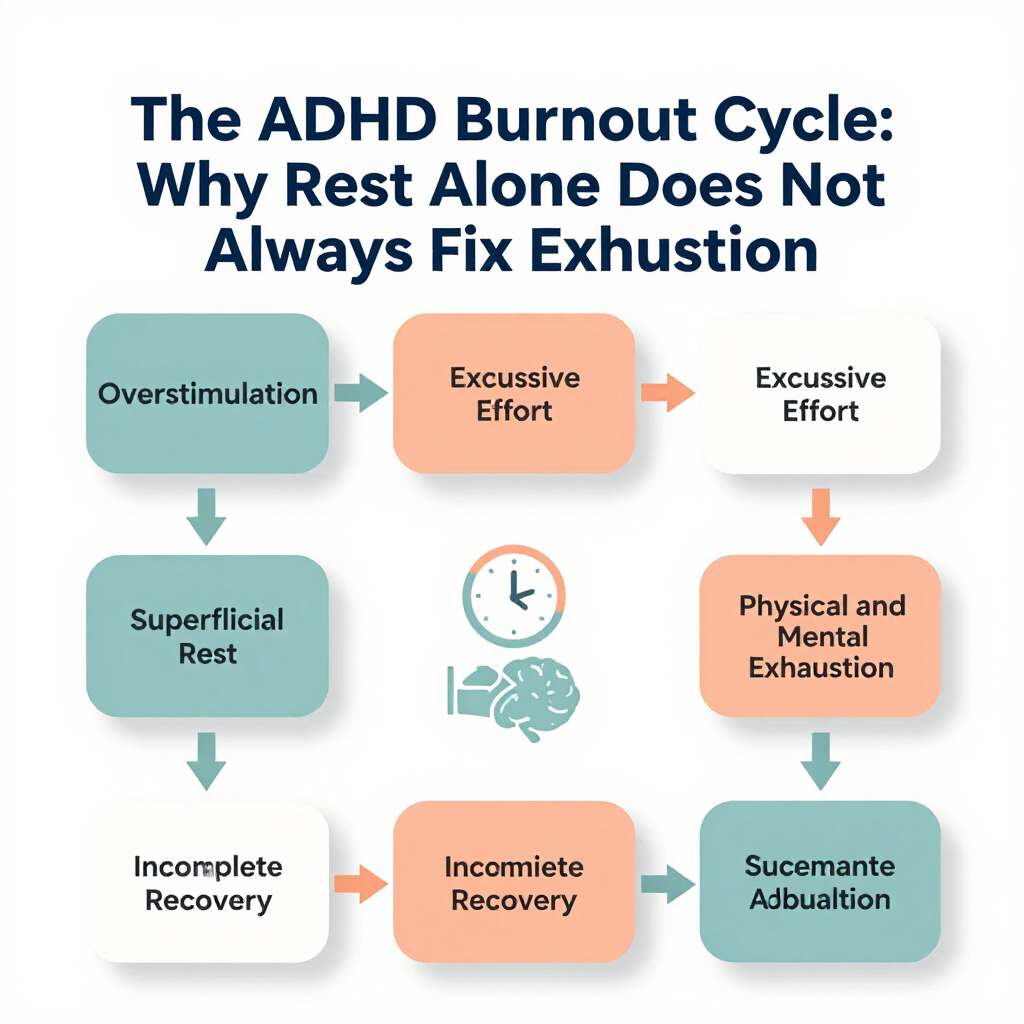
1. Observing Patterns Over Reacting to Symptoms: Instead of reacting to a meltdown, we guide families to observe the pattern leading up to it: was it after an overstimulating day? A stressful conversation? This shift from reaction to observation empowers parents and reduces conflict.
2. Redrawing Boundaries Together: Healthy boundaries are not walls, but rather property lines that keep relationships safe. Our work involves helping the family collaboratively establish clear, kind rules about communication, technology, and personal space that honor everyone’s Emotional Map.
3. Modeling Healthy Navigation: The most powerful tool a family has is the parents' own example. When caregivers learn to pause, notice their own stress, and regulate their emotions, they are essentially teaching their children a lifelong skill for emotional steering.
If you are a Fort Worth family feeling the strain of disconnection or struggling to support a loved one's mental health journey, recognize that you do not have to navigate this complicated terrain alone. We invite you to explore how a systemic approach can not only heal an individual but strengthen the entire family unit.