

What an OCD Psychologist in Fort Worth Can Do for Severe Intrusive Thoughts
What an OCD Psychologist in Fort Worth Can Do for Severe Intrusive Thoughts

Severe intrusive thoughts can feel overwhelming, frightening, and impossible to control. For many people living with obsessive compulsive disorder, these thoughts arrive suddenly and repeatedly, creating intense anxiety and emotional distress. They may involve fears of harming others, disturbing mental images, contamination worries, religious concerns, or fears that feel deeply out of character. Even when a person understands the thoughts are irrational, the emotional impact can still be exhausting.
Working with an experienced OCD psychologist can make a major difference in how intrusive thoughts are understood and managed. At Focus DFW, we help individuals throughout Fort Worth learn how to respond to obsessive thinking patterns in healthier and more effective ways. Treatment is not about suppressing thoughts or pretending they do not exist. Instead, it focuses on reducing the fear and compulsive behaviors attached to those thoughts so they lose their power over daily life.
Understanding Severe Intrusive Thoughts
Intrusive thoughts are unwanted mental experiences that enter the mind suddenly and repeatedly. Most people experience occasional intrusive thoughts, but for someone with OCD, these thoughts become persistent and emotionally charged. The brain interprets them as dangerous, meaningful, or urgent, even when they are not.
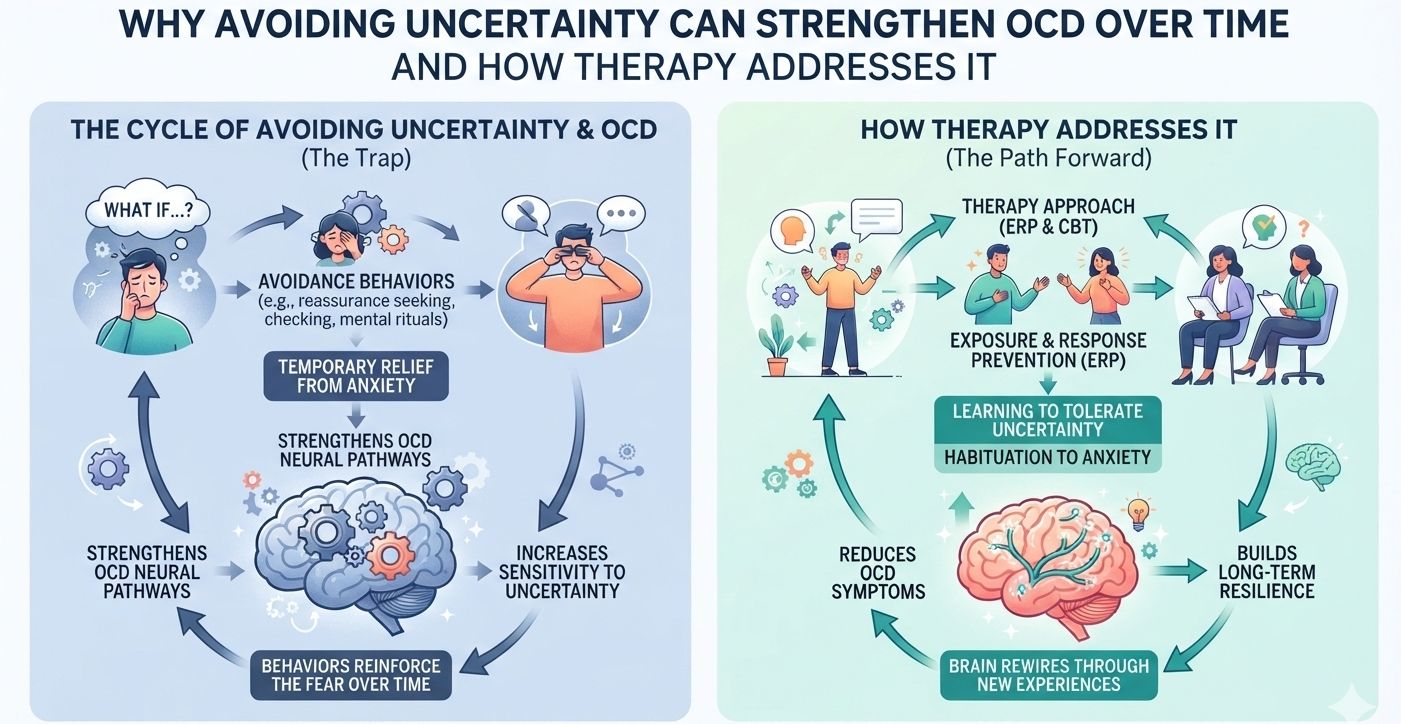
This creates a cycle where the individual becomes hyperfocused on the thought and attempts to neutralize the anxiety through compulsions. Compulsions may include reassurance seeking, checking behaviors, mental reviewing, avoidance, confessing, or repetitive rituals. While these behaviors may temporarily reduce anxiety, they ultimately reinforce the OCD cycle and make intrusive thoughts feel even more threatening over time.
Severe intrusive thoughts often cause people to question their own character, morality, or safety. Many individuals avoid discussing these experiences because they fear judgment or misunderstanding. In reality, intrusive thoughts are a recognized symptom of OCD and do not reflect a person’s true intentions or desires.
Why Professional OCD Treatment Matters
OCD is a highly specialized condition that benefits from targeted therapeutic approaches. General anxiety treatment may not fully address the patterns involved in obsessive compulsive disorder. A psychologist with experience treating OCD understands how obsessions and compulsions interact and how to interrupt the cycle effectively.
Without proper treatment, severe intrusive thoughts can begin affecting relationships, work performance, sleep, and overall quality of life. People may spend hours each day trapped in mental rituals or avoidance patterns. Over time, the constant stress can lead to depression, emotional burnout, and isolation.
Professional treatment provides structure, guidance, and evidence based strategies that help individuals regain confidence and emotional stability. The goal is not to eliminate all unwanted thoughts, since that is impossible for any human brain. The goal is to change the way a person responds to those thoughts so they no longer control behavior or emotional wellbeing.
Exposure and Response Prevention Therapy
One of the most effective treatments for OCD is Exposure and Response Prevention therapy, commonly known as ERP. This therapeutic approach helps individuals gradually face the fears connected to intrusive thoughts while resisting compulsive responses.
For example, someone with contamination fears may learn to tolerate uncertainty without excessive cleaning rituals. Someone struggling with intrusive harm thoughts may practice allowing the thoughts to exist without seeking reassurance or mentally reviewing their intentions.
ERP works by retraining the brain’s fear response. Over time, the nervous system learns that intrusive thoughts are not dangerous emergencies requiring immediate action. Anxiety decreases naturally when compulsive behaviors are no longer reinforcing the fear cycle.
Although ERP can feel challenging at first, it is highly effective when guided by a trained OCD psychologist. Treatment is carefully structured to match the individual’s pace, symptom severity, and emotional readiness.
Helping Clients Separate Thoughts From Identity
One of the most painful aspects of severe intrusive thoughts is the fear that the thoughts say something meaningful about who a person is. Individuals with OCD often become trapped in constant self analysis, trying to determine whether the thoughts reveal hidden intentions or dangerous traits.
An experienced psychologist helps clients understand an important truth about OCD: thoughts are not actions, intentions, or predictions. The presence of a disturbing thought does not mean someone wants it to happen or is capable of acting on it.
This shift in understanding can be life changing. Instead of treating every intrusive thought as a threat requiring analysis or control, clients learn to view thoughts as temporary mental events that do not define their identity. Reducing this emotional attachment weakens the OCD cycle significantly.
Addressing Avoidance Behaviors
Many people with severe intrusive thoughts begin avoiding situations, places, or relationships connected to their fears. Someone with contamination OCD may avoid public spaces. Someone with relationship focused obsessions may avoid emotional intimacy. Someone with intrusive harm thoughts may avoid loved ones out of fear, despite having no actual desire to hurt anyone.
Avoidance may provide short term relief, but it strengthens anxiety over time. The brain never has the opportunity to learn that the feared outcome is unlikely or manageable.
An OCD psychologist helps clients gradually reengage with avoided situations in a safe and structured manner. This process restores independence, confidence, and emotional flexibility. As avoidance decreases, daily functioning often improves significantly.
Building Long Term Coping Skills
Managing OCD requires more than symptom reduction alone. Long term recovery also involves developing healthier coping skills, emotional resilience, and self awareness.
Therapy often includes learning how to tolerate uncertainty without compulsive reassurance. Clients practice responding to anxiety with acceptance rather than panic. They also learn strategies for managing stress, perfectionism, and emotional triggers that may worsen OCD symptoms.
At Focus DFW, we work closely with clients to create sustainable progress rather than temporary relief. Recovery is a process that involves consistency, patience, and compassionate support. Over time, many individuals discover they can live meaningful and fulfilling lives without being controlled by intrusive thoughts.
Supporting Families and Relationships
OCD does not only affect the individual experiencing symptoms. Family members and close relationships are often impacted as well. Loved ones may unintentionally reinforce compulsions by offering repeated reassurance or participating in rituals designed to reduce anxiety.
An experienced psychologist can help families understand how OCD operates and how to provide supportive responses that encourage recovery. Improving communication and reducing accommodation behaviors can create a healthier environment for long term progress.
Relationship support is especially important when intrusive thoughts involve guilt, shame, or fear of judgment. Open and informed conversations often help reduce isolation and improve emotional connection.
When to Seek Help for Intrusive Thoughts
Many people delay treatment because they feel embarrassed or fear being misunderstood. Others assume they should simply manage the thoughts on their own. Unfortunately, untreated OCD often becomes more severe over time.
Seeking help is important when intrusive thoughts begin interfering with daily life, emotional wellbeing, relationships, work, or personal functioning. Early intervention can reduce symptom intensity and prevent compulsive patterns from becoming more deeply ingrained.
Professional support can provide clarity, reassurance, and practical tools for recovery. The sooner treatment begins, the sooner individuals can start rebuilding confidence and emotional balance.
Finding Compassionate OCD Support in Fort Worth
Living with severe intrusive thoughts can feel isolating, but effective treatment is available. OCD is highly treatable when approached with specialized care and evidence based therapy. With the right support, individuals can learn to respond differently to obsessive thoughts and reduce the hold anxiety has on their lives.
At Focus DFW, we understand how distressing intrusive thoughts can become and how important it is to receive treatment from professionals familiar with OCD specific therapy methods. Our goal is to help clients throughout Fort Worth move toward greater freedom, emotional stability, and long term recovery.
If intrusive thoughts have started taking over your daily life, seeking support from a qualified psychologist may be one of the most important steps toward healing and renewed confidence.