
How Rejection Sensitivity Can Quietly Influence Careers, Relationships, and Self-Esteem
How Rejection Sensitivity Can Quietly Influence Careers, Relationships, and Self-Esteem
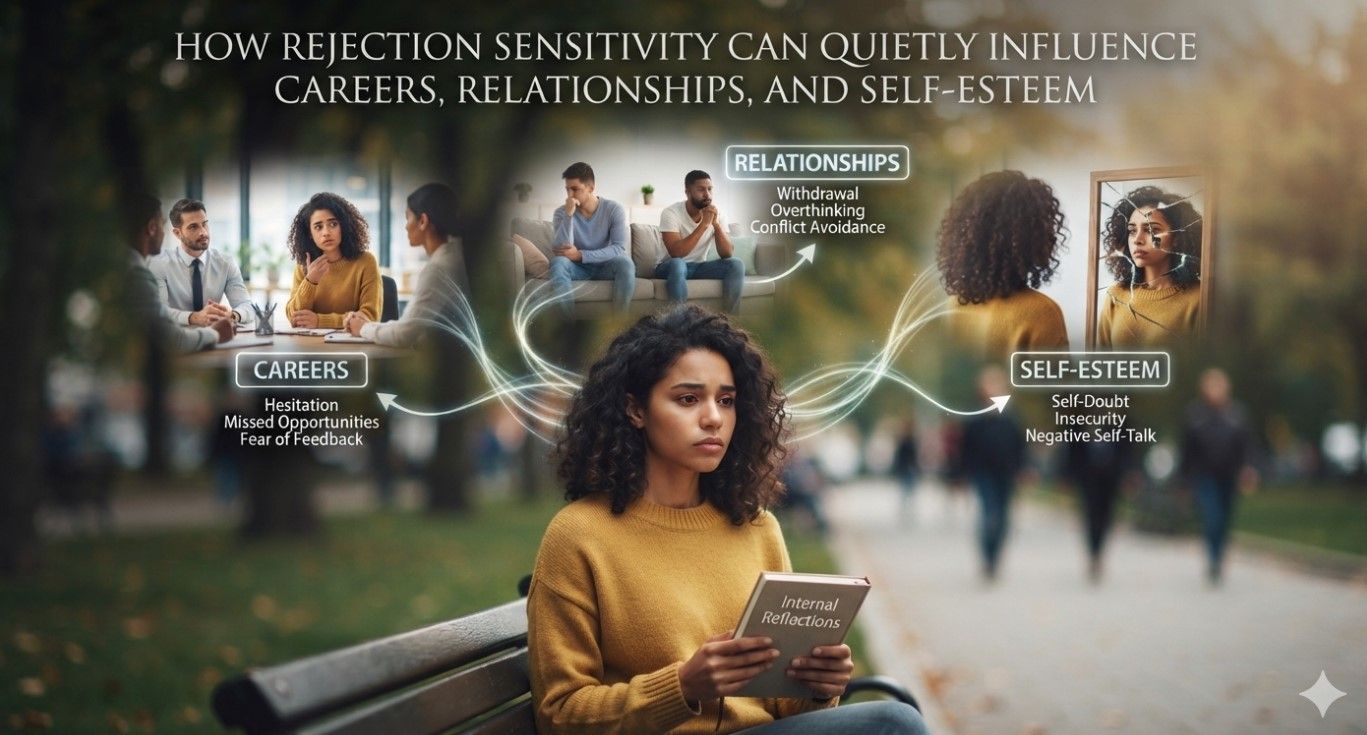
Understanding the Hidden Impact of Rejection Sensitivity
Rejection is an inevitable part of life, but people experience and process it in very different ways. For some individuals, even the possibility of criticism, exclusion, disappointment, or disapproval can trigger an intense emotional response. This heightened reaction is often described as rejection sensitivity, a pattern in which a person becomes highly alert to signs that others may reject, judge, or negatively evaluate them. The experience can be particularly challenging because the perceived rejection does not always need to be explicit or intentional. A delayed text message, a short response from a manager, or an invitation that never arrives can all become emotionally significant. At FocusDFW, we understand that rejection sensitivity can quietly influence everyday decisions and gradually shape the way individuals see themselves and interact with the world.
Rejection sensitivity can operate beneath the surface for years without being clearly recognized. Someone may believe they are simply overly cautious, shy, perfectionistic, or independent when their behaviors are actually connected to a strong fear of being negatively judged. This can lead to patterns of avoidance that temporarily protect a person from uncomfortable emotions but create long-term limitations. Opportunities may be declined before failure becomes possible, relationships may remain emotionally distant, and personal goals may be abandoned prematurely. The individual may appear confident or successful from the outside while privately experiencing persistent anxiety about how others perceive them. Understanding this pattern is important because awareness can create an opportunity to respond differently rather than allowing fear of rejection to quietly direct important life choices.
The Influence of Rejection Sensitivity on Career Decisions
The workplace can be especially difficult for someone who is highly sensitive to rejection because professional environments naturally involve evaluation and feedback. Employees receive performance reviews, managers make decisions about promotions, colleagues disagree, and job applications are sometimes unsuccessful. For a person with rejection sensitivity, these ordinary experiences can feel much more personal and emotionally intense.
Constructive feedback may be interpreted as evidence of incompetence rather than an opportunity for improvement. A brief disagreement with a supervisor may create lingering anxiety about job security or professional reputation. Over time, the fear of negative evaluation can influence career decisions more strongly than personal interests, abilities, or ambitions.
One common consequence is hesitation to pursue new opportunities. An employee may avoid applying for a promotion because being passed over feels emotionally unbearable. A talented professional may remain in an unfulfilling role because interviewing elsewhere creates too much anxiety about potential rejection. Some individuals may avoid sharing innovative ideas during meetings because they anticipate criticism before anyone has responded. Others may overwork in an effort to prevent disapproval, believing that perfection is the only reliable protection against negative judgment. These behaviors can create the appearance of low ambition when the underlying issue is actually a strong desire to avoid emotional pain. The result can be a career path shaped more by self-protection than genuine professional potential.
When Workplace Feedback Feels Like Personal Rejection
Feedback is necessary for professional growth, yet rejection sensitivity can make it difficult to separate criticism of a behavior from criticism of the self. A manager may suggest improving a presentation, but the employee may internally hear that they are unintelligent or incapable.
This emotional interpretation can create defensiveness, withdrawal, excessive apologizing, or an intense need to immediately correct every perceived flaw. The person may spend hours replaying a conversation that others have already forgotten. They may also become hyperaware of changes in tone, facial expressions, or communication patterns from coworkers. When this pattern continues, the workplace can become a constant source of emotional vigilance rather than a place for learning and collaboration.
Rejection sensitivity may also affect relationships with supervisors and colleagues. Someone who expects rejection may assume negative intentions where none exist, creating misunderstandings that become difficult to resolve. They might interpret a busy manager's delayed response as anger or disappointment. A coworker's brief communication style may be perceived as hostility, even when it simply reflects personality or workload. In response, the individual may withdraw from colleagues or become overly eager to gain reassurance. These reactions can unintentionally affect professional relationships and reinforce the belief that the workplace is socially unsafe. Learning to pause before assigning meaning to an interaction can help create space between an emotional reaction and an objective interpretation.
The Quiet Effects on Personal Relationships
Relationships often require vulnerability, and vulnerability can feel especially risky for someone who strongly fears rejection. A person may want closeness while simultaneously feeling threatened by the possibility of disappointment. This internal conflict can create confusing patterns in friendships, family relationships, and romantic partnerships. They may become highly attentive to small changes in another person's behavior and search for evidence that the relationship is becoming unstable. A canceled plan or an unanswered message can produce anxiety that feels disproportionate to the actual situation. The emotional intensity may then influence how they respond, sometimes creating tension where none previously existed.\
Some people cope with rejection sensitivity by becoming overly accommodating. They may suppress their own preferences because disagreement feels too dangerous. Saying no can become difficult because they fear disappointing others and potentially losing the relationship. They might constantly adjust their personality, opinions, or behavior to match the people around them. While this approach can temporarily reduce the fear of conflict, it can eventually create resentment and emotional exhaustion. Relationships become healthier when people can express authentic needs without believing that every disagreement will lead to abandonment.
The Cycle of Seeking Reassurance and Pulling Away
Rejection sensitivity can create a difficult cycle between seeking reassurance and withdrawing from others. During periods of uncertainty, an individual may repeatedly ask whether someone is upset with them or whether the relationship is secure. Reassurance can provide temporary relief, but the underlying fear often returns because the person has not developed confidence in tolerating uncertainty. Over time, repeatedly seeking confirmation can place emotional pressure on relationships. On the other hand, some people respond to perceived rejection by becoming distant before the other person has a chance to reject them. This protective withdrawal may feel safer in the moment but can prevent the meaningful connection they genuinely desire.
The tendency to anticipate rejection can also influence how people communicate. Instead of asking a direct question, they may make assumptions about what another person is thinking. Instead of expressing hurt, they may become silent and hope the other person notices. Instead of discussing conflict, they may abruptly end relationships to avoid the possibility of further emotional pain. These responses are understandable when viewed as attempts at self-protection. However, they can make healthy communication more difficult and create situations where fears of rejection appear to be confirmed. At FocusDFW, we believe that recognizing these patterns without self-judgment is an important first step toward developing more secure and fulfilling relationships.
How Rejection Sensitivity Shapes Self-Esteem
Perhaps one of the most significant effects of rejection sensitivity is its connection to self-esteem. When external approval becomes strongly connected to a person's sense of worth, everyday interactions can begin to determine how they feel about themselves. Praise may produce temporary confidence, while criticism can cause an immediate collapse in self-belief. This creates an unstable emotional foundation because other people's reactions are unpredictable and impossible to fully control. A person may become increasingly dependent on external validation to feel secure. Over time, they may lose sight of their own values, strengths, and personal definition of success.
Low self-esteem can also increase the tendency to expect rejection, creating a self-reinforcing cycle. Someone who already doubts their worth may be more likely to interpret ambiguous situations negatively. They may assume they were excluded intentionally or believe that criticism confirms their deepest fears about themselves. These interpretations can then strengthen negative beliefs and make future interactions feel even more threatening. The person may begin to see rejection not as a normal human experience but as proof of personal inadequacy. Breaking this cycle involves learning to separate an event from the conclusions drawn about one's identity.
Perfectionism as Protection Against Rejection
For many individuals, perfectionism can become an attempt to prevent rejection before it occurs. The belief may be that if every task is completed flawlessly, no one will have a reason to criticize or disapprove. While striving for excellence can be positive, perfectionism driven by fear often creates chronic stress and dissatisfaction. No accomplishment feels fully secure because there is always another possible mistake to prevent. Even significant achievements may be dismissed because the person focuses on what could have been done better. This can create a frustrating situation where success does not bring the confidence or relief that was expected.
Perfectionistic patterns can affect both professional and personal life. Someone may delay completing a project because they are afraid the final result will be judged. They may avoid creative activities because being a beginner feels too vulnerable. In relationships, they may try to become the ideal partner, friend, employee, or family member while ignoring their own emotional needs. The pressure to avoid mistakes can gradually become exhausting and limit spontaneity. Developing a healthier relationship with imperfection does not mean abandoning standards or goals. It means recognizing that personal worth does not depend on receiving universal approval or avoiding every possible mistake.
Why Avoidance Can Make the Fear Stronger
Avoidance often provides immediate relief from emotionally difficult situations. If someone fears being rejected, declining the invitation, avoiding the conversation, or not applying for the opportunity can feel safer. However, avoidance can unintentionally teach the mind that the feared situation was genuinely dangerous. The person never gets the opportunity to discover that they might handle disappointment successfully. They also lose opportunities to experience positive outcomes that could challenge their expectations. Over time, the range of situations that feel emotionally safe may become increasingly narrow.
Avoidance can appear in subtle forms that are easy to overlook. Procrastination may sometimes be connected to fear of having one's work evaluated. Excessive preparation may be used to manage anxiety about possible criticism. Humor or emotional detachment may become ways to avoid revealing genuine feelings. Some people reject opportunities before anyone else has the chance to reject them. Identifying these protective strategies can help individuals understand that avoidance is often an attempt to manage pain rather than a sign of weakness. Once the pattern becomes visible, it becomes easier to explore healthier ways of responding.
Building a More Balanced Interpretation of Social Situations
One important skill involves learning to distinguish between what happened and the meaning automatically assigned to it. For example, a friend may not respond immediately to a message, which is an observable fact. The conclusion that the friend is angry, losing interest, or intentionally ignoring the message is an interpretation. Rejection sensitivity can cause these interpretations to feel like unquestionable facts because the emotional response is so immediate. Creating a pause between the event and the conclusion can reduce unnecessary distress. Asking what other explanations might exist can help introduce greater flexibility into the thought process.
This does not mean ignoring genuine rejection or pretending that difficult experiences do not matter. Everyone experiences disappointment, criticism, exclusion, and relationship changes at different points in life. The goal is to develop the ability to respond to these experiences without allowing them to define personal worth. Emotional resilience grows when people recognize that rejection can be painful without being catastrophic. A declined application does not determine future professional potential, and a disagreement does not automatically mean a relationship is ending. Building tolerance for emotional discomfort can gradually reduce the power that anticipated rejection has over important decisions.
Creating Healthier Boundaries and Stronger Self-Trust
Improving self-trust is an essential part of reducing the influence of rejection sensitivity. When individuals trust their ability to cope with disappointment, they no longer need to organize every decision around preventing it. They can apply for opportunities while accepting that the outcome may not be guaranteed. They can communicate honestly while recognizing that not everyone will agree with them. They can establish boundaries without assuming that healthy limits will automatically destroy relationships. This shift allows a person to make choices based more strongly on personal values rather than fear.
Healthy boundaries are particularly important because rejection sensitivity can make it difficult to differentiate between being disliked and simply having different needs. A person may believe they must always be agreeable to remain accepted. However, authentic relationships require room for individuality, disagreement, and mutual respect. Learning to say no can initially feel uncomfortable, especially for someone accustomed to prioritizing approval. With practice, boundaries can become evidence that relationships do not need constant self-sacrifice to survive. Stronger self-trust makes external validation less necessary and allows self-esteem to become more stable.
Moving Toward Greater Emotional Confidence
Addressing rejection sensitivity is not about becoming emotionally unaffected by other people. Human connection matters, and it is natural to care about acceptance and belonging. The goal is to create a healthier balance where the possibility of rejection no longer controls major life decisions. Emotional confidence develops when individuals learn that uncomfortable feelings can be experienced without immediately reacting to them. They can question automatic assumptions, communicate directly, and remain connected to their values during moments of uncertainty. These skills can gradually influence careers, relationships, and self-esteem in meaningful ways.
At FocusDFW, we recognize that patterns related to rejection sensitivity can be deeply personal and may affect different areas of life simultaneously. Exploring these patterns can help individuals better understand why certain interactions feel especially intense and why avoidance or people-pleasing behaviors may have developed. Growth often begins with recognizing that emotional reactions have a history and purpose, even when they are no longer serving a person's current goals. With greater awareness, healthier coping strategies, and appropriate support, it becomes possible to approach opportunities and relationships with less fear. Rejection may always be an uncomfortable part of life, but it does not have to determine professional choices, relationship patterns, or personal worth. The ability to tolerate vulnerability while maintaining a stable sense of self can create a stronger foundation for confidence, connection, and long-term emotional well-being.