
How Mental Health Professionals Differentiate Between Attention and Anxiety Symptoms
ADHD or Anxiety? How Mental Health Professionals Differentiate Between Attention and Anxiety Symptoms
ADHD or Anxiety? How Mental Health Professionals Differentiate Between Attention and Anxiety Symptoms
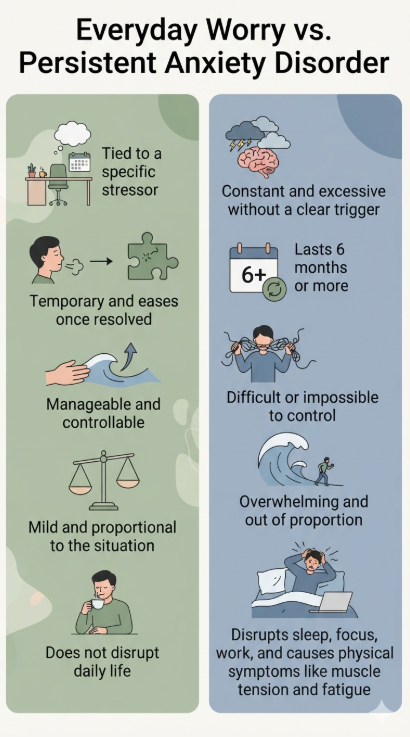
Difficulty concentrating, feeling restless, forgetting important tasks, and struggling to stay organised are experiences that many people encounter in their daily lives. However, when these challenges become persistent and begin affecting work, education, relationships, or personal responsibilities, it may be worth exploring whether an underlying mental health condition is contributing to them. Two conditions that frequently share overlapping symptoms are Attention-Deficit/Hyperactivity Disorder (ADHD) and anxiety disorders. Both can affect concentration, emotional regulation, sleep, productivity, and the ability to manage everyday responsibilities. Because these symptoms can look remarkably similar, people sometimes mistake one condition for the other or assume that experiencing symptoms of both automatically means they have the same underlying problem. Understanding how mental health professionals differentiate ADHD from anxiety is an important step towards receiving an accurate evaluation and developing an appropriate treatment plan.
Understanding the Difference Between ADHD and Anxiety
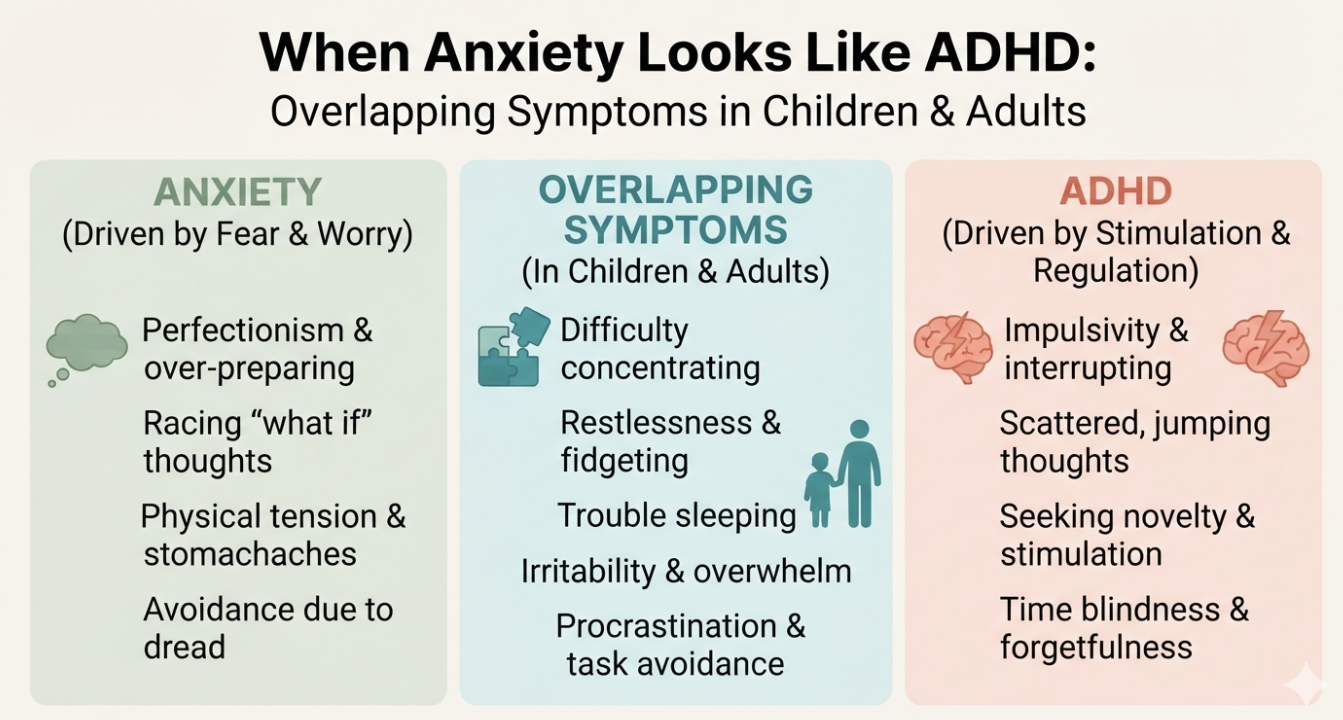
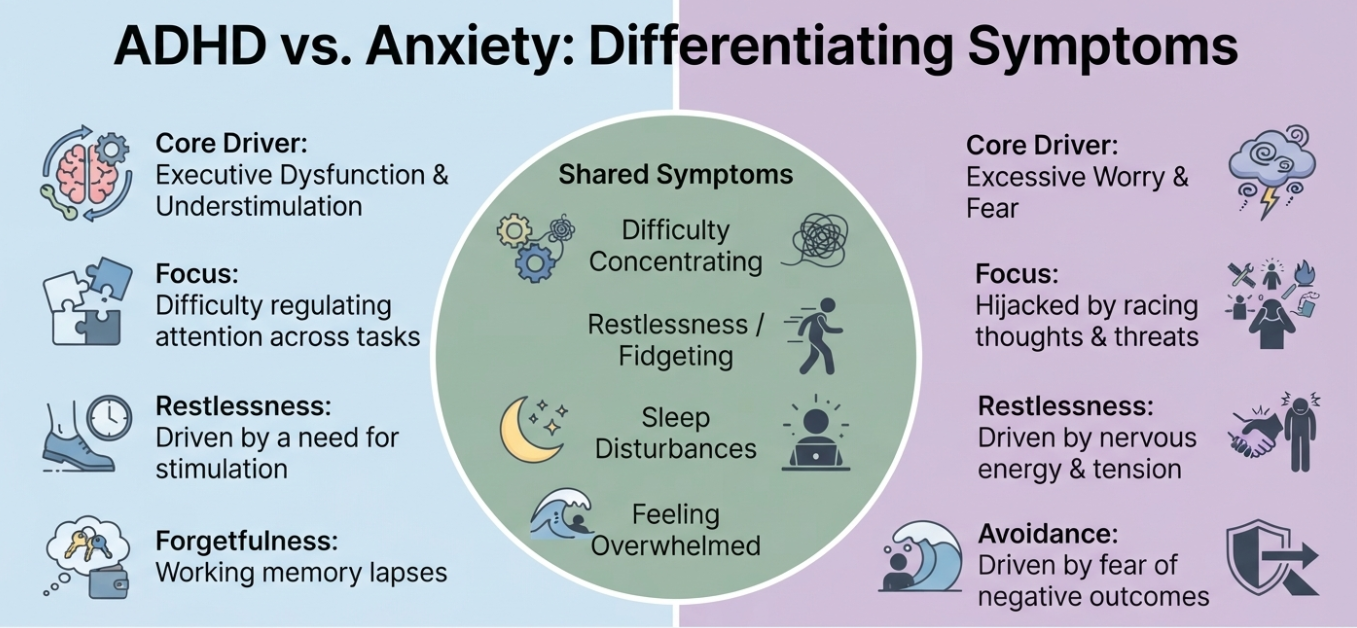
ADHD and anxiety are distinct mental health conditions, although they can sometimes occur together. ADHD is a neurodevelopmental condition that affects the brain's executive functioning, including attention regulation, impulse control, organisation, planning, and task management. Individuals with ADHD may struggle to maintain focus, remember instructions, complete projects, or manage responsibilities even when they genuinely want to do well. Anxiety disorders, on the other hand, involve excessive worry, fear, nervousness, or apprehension that can interfere with everyday functioning. Someone experiencing anxiety may find it difficult to concentrate because their attention is occupied by persistent thoughts about potential problems, uncertain situations, or negative outcomes. Although both conditions can make focusing difficult, the reasons behind these challenges are often different.
The distinction becomes clearer when professionals explore what happens internally when someone loses concentration. A person with ADHD might become distracted by an unrelated thought, an environmental sound, or something more interesting than the task they are completing. Someone with anxiety may struggle to focus because their mind is repeatedly returning to worries about an upcoming meeting, a personal situation, or something that could go wrong. In the first situation, attention regulation may be the primary difficulty, while in the second, excessive worry may be interfering with concentration. These differences are not always obvious during an initial conversation, which is why a comprehensive mental health assessment is important.
How ADHD Affects Attention and Concentration
ADHD can influence several aspects of everyday functioning, particularly the ability to direct and maintain attention. People with predominantly inattentive symptoms may find themselves frequently losing track of conversations, forgetting appointments, overlooking details, or struggling to complete tasks that require sustained mental effort. They may begin projects with enthusiasm but have difficulty following them through to completion. Organising schedules, prioritising responsibilities, remembering deadlines, and managing multiple activities can also become challenging. These difficulties are not necessarily caused by a lack of motivation, intelligence, or willingness to succeed. Instead, they may reflect differences in executive functioning and the brain's ability to regulate attention consistently.
Another important characteristic of ADHD is that attention difficulties can occur even when someone is not feeling particularly worried or stressed. For example, an individual might struggle to complete a routine household responsibility despite having no specific concerns occupying their thoughts. They may become distracted while reading, forget what they intended to do after entering a room, or repeatedly postpone tasks that require sustained concentration. Some individuals also experience hyperactivity or impulsivity, which can appear as excessive talking, difficulty sitting still, interrupting conversations, or acting before considering the consequences. However, ADHD does not look the same in everyone, and some individuals experience significant inattentive symptoms without obvious physical hyperactivity.
How Anxiety Affects Attention and Concentration
Anxiety can also create substantial difficulties with concentration, but these challenges are frequently connected to excessive worry and heightened alertness. When someone experiences anxiety, their mind may remain occupied with concerns about responsibilities, relationships, finances, health, work performance, or future events. Even when they are physically present in a conversation or attempting to complete an assignment, their thoughts may repeatedly shift towards potential problems. This mental preoccupation can make it difficult to absorb information, remember instructions, or make decisions confidently. As anxiety increases, the ability to concentrate on ordinary activities may become even more difficult. In many cases, the person is capable of focusing but finds that worry repeatedly interrupts their attention.
Physical symptoms can provide additional context when professionals evaluate anxiety. Individuals may experience a racing heartbeat, muscle tension, sweating, restlessness, stomach discomfort, headaches, or difficulty sleeping. Some people also describe feeling constantly on edge or anticipating that something negative might happen. These physical and emotional experiences can consume significant mental energy, leaving less capacity for concentration and everyday decision-making. Anxiety-related avoidance is another important consideration, as someone may delay certain activities because they fear making mistakes, receiving criticism, or experiencing an uncomfortable situation. Recognising the relationship between worry, physical symptoms, and attention difficulties helps mental health professionals understand whether anxiety may be contributing to the person's challenges.
Why ADHD and Anxiety Symptoms Often Overlap
One of the biggest challenges in differentiating ADHD from anxiety is that both conditions can produce similar outward behaviours. For example, someone who frequently forgets appointments might have difficulties with working memory associated with ADHD, or they might be so preoccupied with anxious thoughts that they struggle to remember everyday information. Similarly, restlessness can be associated with ADHD-related hyperactivity, but it can also develop when someone feels nervous, overwhelmed, or constantly alert. Difficulty sleeping may affect concentration and emotional regulation in both conditions. Procrastination can also occur for different reasons, including executive functioning difficulties, fear of failure, perfectionism, and avoidance of stressful situations.
These overlapping experiences make it important to look beyond individual symptoms. Mental health professionals consider the circumstances in which symptoms occur, how long they have been present, how frequently they appear, and whether they affect multiple areas of life. They also explore whether difficulties existed before periods of significant stress or anxiety. Someone who has experienced attention and organisational difficulties since childhood may require an evaluation for ADHD, even if anxiety symptoms have become more noticeable in adulthood. Conversely, someone whose concentration problems developed alongside persistent worry may benefit from an assessment focused on anxiety. The goal is to understand the underlying patterns rather than assigning a diagnosis based on one or two symptoms.
The Importance of Childhood History in ADHD Evaluations
An individual's developmental history is one of the most important factors professionals consider when assessing ADHD. ADHD is a neurodevelopmental condition, meaning its symptoms originate during childhood, even though they may not be recognised or diagnosed until adulthood. Mental health professionals often ask about early experiences involving school performance, classroom behaviour, organisation, attention, forgetfulness, and completing responsibilities. They may explore whether the individual frequently lost school materials, struggled to follow instructions, interrupted others, or needed additional reminders to finish assignments. These patterns can provide useful evidence about whether attention regulation difficulties were present long before current anxiety or stressful life circumstances developed.
However, childhood ADHD does not always involve obvious academic or behavioural problems. Some children develop strategies to compensate for their difficulties, while others receive considerable support from parents, teachers, or caregivers. High academic achievement does not automatically rule out ADHD, particularly when an individual has relied on extensive preparation, additional effort, or rigid routines to remain organised. Professionals may also consider information from family members, previous school records, or other individuals who knew the person during childhood, when such information is available. Understanding developmental patterns helps distinguish longstanding attention difficulties from concentration problems that emerge later in life.
How Mental Health Professionals Evaluate ADHD and Anxiety
A comprehensive evaluation usually involves several stages rather than relying on a single questionnaire or short conversation. Mental health professionals begin by discussing the individual's symptoms, personal history, current concerns, and the ways these difficulties affect everyday functioning. They may ask about work performance, academic responsibilities, relationships, sleep habits, emotional experiences, and previous mental health concerns. Questions about when symptoms first appeared and whether they occur across different environments can help establish important diagnostic patterns. Professionals also assess the severity, frequency, and duration of symptoms to understand whether they meet the relevant diagnostic criteria. This broader approach helps create a more accurate understanding of the person's mental health needs.
Standardised assessment tools and clinical interviews may also form part of the evaluation process. ADHD screening instruments can help identify patterns of inattention, hyperactivity, and impulsivity, while anxiety questionnaires can measure the frequency and intensity of worry-related symptoms. However, screening tools are not sufficient on their own to confirm a diagnosis. A qualified professional interprets the results alongside clinical observations, developmental history, functional impairment, and other relevant information. They may also consider whether sleep disorders, depression, trauma-related symptoms, medication effects, or other medical conditions could be contributing to concentration difficulties. The purpose is to avoid overlooking important factors that might influence the person's symptoms and treatment needs.
Questions Professionals Ask to Differentiate ADHD From Anxiety
During an assessment, professionals often explore the experiences behind a person's attention difficulties. They may ask whether the individual struggles to concentrate even when they feel calm and relaxed, or whether their attention becomes worse when they are worried about something. Questions about losing belongings, forgetting instructions, starting multiple tasks, and struggling with organisation can help identify potential ADHD-related patterns.
Professionals may also explore whether the individual experiences persistent fear of making mistakes, excessive self-doubt, repetitive worrying, or physical tension. These discussions provide insight into the relationship between cognitive difficulties and emotional experiences.
Another important area of discussion involves how symptoms change depending on the environment. Someone with ADHD might experience attention difficulties during routine tasks, interesting conversations, household responsibilities, and professional activities. Someone with anxiety may notice that concentration becomes particularly difficult in situations involving uncertainty, social evaluation, deadlines, or perceived threats. Professionals may also ask whether the individual feels mentally overwhelmed because there are too many competing thoughts or because they are repeatedly thinking about a specific concern. Although these questions can help guide the evaluation, no single answer establishes a diagnosis. The complete clinical picture remains essential.
Can Someone Have Both ADHD and Anxiety?
Yes, ADHD and anxiety can occur together, and recognising this possibility is important for accurate assessment. Some individuals with ADHD develop anxiety because managing everyday responsibilities requires considerable effort. Repeatedly forgetting deadlines, struggling with organisation, missing appointments, or experiencing difficulties at work or school can contribute to ongoing stress. Over time, these experiences may create fear of making mistakes, concerns about disappointing others, or persistent worry about future responsibilities. In other cases, anxiety may have developed independently and may coexist with longstanding ADHD symptoms. When both conditions are present, each can influence the severity and frequency of the other's symptoms.
Treating only one condition may not fully address the difficulties someone experiences when both are contributing to their daily challenges. For example, addressing anxiety may reduce excessive worrying, but the individual might continue experiencing problems with organisation, time management, and sustained attention because of ADHD. Similarly, supporting ADHD-related executive functioning may improve productivity without completely resolving persistent fears or excessive worry. Mental health professionals consider how the conditions interact when developing an appropriate treatment approach. A coordinated plan may include therapy, behavioural strategies, practical organisational support, and medication when clinically appropriate. Treatment should address the individual's overall functioning rather than focusing exclusively on one diagnosis.
Treatment Approaches for ADHD and Anxiety
Treatment for ADHD generally focuses on improving attention regulation, executive functioning, impulse control, and everyday organisation. Depending on the individual's needs, a treatment plan may include medication, behavioural interventions, cognitive behavioural therapy, coaching strategies, and practical lifestyle adjustments. Medication options may include stimulant or non-stimulant treatments, which are prescribed and monitored by qualified healthcare professionals when appropriate. Therapy can help individuals recognise their challenges, develop effective coping strategies, and improve emotional regulation. Practical techniques such as breaking large projects into smaller steps, using reminders, creating consistent routines, and reducing distractions can also support daily functioning. The most appropriate approach depends on the individual's symptoms, preferences, medical history, and overall circumstances.
Anxiety treatment often focuses on reducing excessive worry, managing emotional responses, and improving the ability to cope with stressful situations. Cognitive behavioural therapy (CBT) is commonly used to help individuals identify unhelpful thinking patterns and develop healthier responses to anxiety-provoking situations. Therapy may also include relaxation techniques, gradual exposure to feared situations, mindfulness practices, and strategies for managing physical symptoms. In certain circumstances, healthcare professionals may recommend medication as part of a broader treatment plan. When ADHD and anxiety occur together, treatment may need to address both conditions in a coordinated manner. Regular evaluation helps professionals understand how symptoms respond to treatment and whether adjustments are necessary.
Why Self-Diagnosis Can Lead to Confusion
Online symptom checklists and mental health information can help people recognise experiences that deserve further attention. However, relying exclusively on internet searches to determine whether someone has ADHD or anxiety can lead to confusion. Many symptoms associated with these conditions are also present in other mental health concerns, sleep difficulties, stressful life circumstances, and certain medical conditions. Someone who identifies with a few ADHD symptoms may not necessarily meet the diagnostic criteria for ADHD. Similarly, experiencing occasional nervousness or difficulty concentrating does not automatically indicate an anxiety disorder. A diagnosis requires consideration of symptom patterns, duration, severity, developmental history, and their impact on everyday life.
Another concern with self-diagnosis is that people may overlook the possibility of having more than one condition. Someone might assume that all concentration problems are caused by anxiety, even though longstanding ADHD symptoms are also present. Others may attribute every experience of forgetfulness or restlessness to ADHD without recognising that persistent worry is affecting their functioning. Professional assessment helps separate these overlapping experiences and identify whether additional concerns need attention. Rather than attempting to fit every symptom into one category, individuals can benefit from discussing their experiences openly with a qualified mental health professional. Getting the right information is an important first step towards receiving appropriate care.
When Should You Consider a Mental Health Assessment?
Consider seeking professional support when difficulties with concentration, organisation, excessive worry, or emotional regulation begin interfering with your quality of life. You may notice that everyday responsibilities require considerably more effort than expected, or that you frequently struggle to complete tasks despite having sufficient time and motivation. Persistent worrying, difficulty relaxing, disrupted sleep, and feeling overwhelmed by ordinary situations may also indicate that additional support could be beneficial. These experiences deserve attention when they become ongoing rather than occasional responses to temporary stress. You do not need to wait until symptoms become severe before discussing your concerns with a professional.
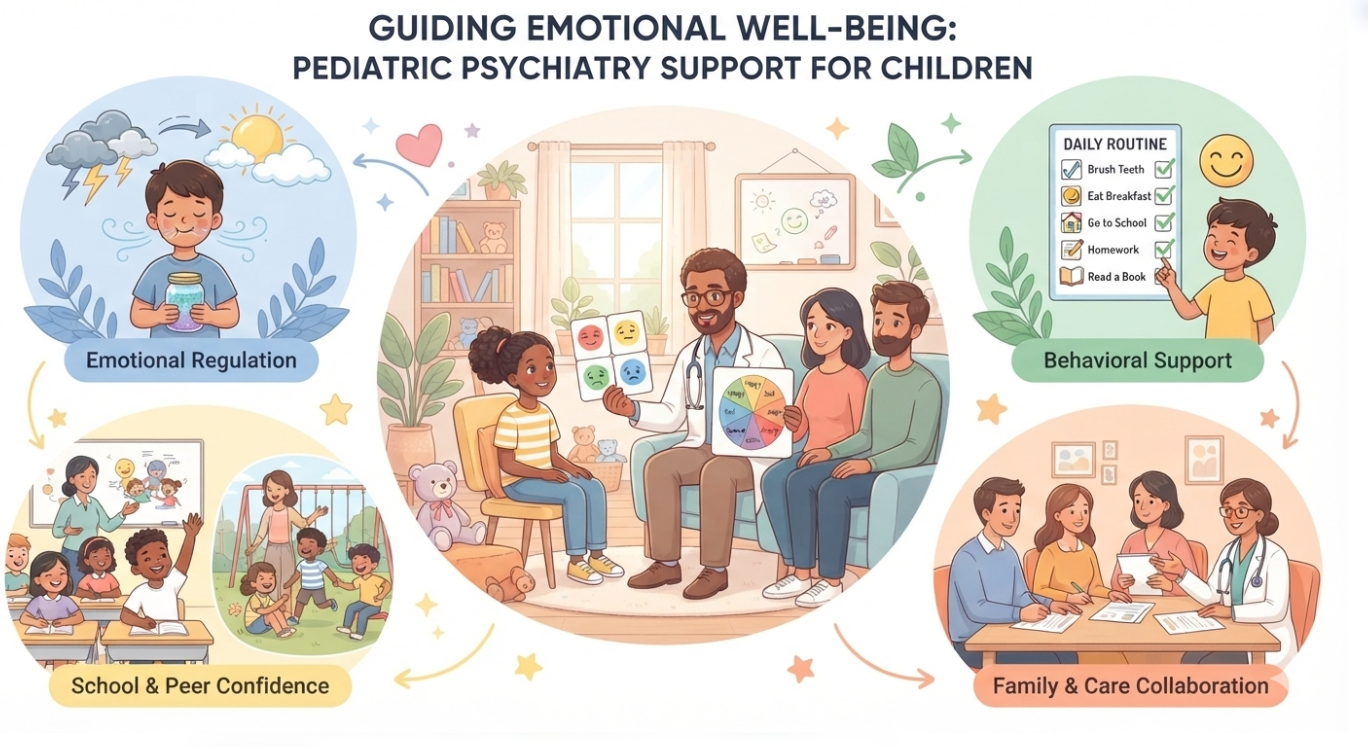
An assessment can be particularly helpful when symptoms have started affecting multiple areas of your life. For example, difficulties with attention may be creating problems at work, while anxiety may be affecting relationships, social interactions, or your ability to make decisions. Parents may also consider an evaluation when children consistently struggle with classroom attention, completing assignments, managing emotions, or excessive worry. Recognising these patterns early can help individuals access appropriate support and develop healthier coping strategies. A professional can help determine whether ADHD, anxiety, both conditions, or another concern may be contributing to the symptoms. Taking the first step towards an assessment can provide greater clarity and direction.
Getting the Right Support for Your Mental Health
Understanding whether attention difficulties are connected to ADHD, anxiety, or a combination of both can make a meaningful difference in how individuals approach their mental health. Although the symptoms sometimes look similar, their underlying causes and treatment considerations may be quite different. A comprehensive evaluation allows professionals to examine developmental history, emotional experiences, behavioural patterns, and the impact of symptoms on everyday functioning. With a clearer understanding of these factors, individuals can explore treatment options that address their specific needs rather than relying on general advice or assumptions. Mental health support should be based on a person's complete experience, not simply a list of symptoms.
At FocusDFW, we believe that understanding your mental health concerns is an important part of finding the right path forward. If you or someone in your family is experiencing persistent concentration difficulties, excessive worry, restlessness, or challenges with everyday responsibilities, seeking professional guidance can help clarify what may be happening. Our goal is to encourage individuals and families to take their concerns seriously and explore appropriate mental health support. You deserve an approach that considers your individual experiences and focuses on meaningful improvements in daily functioning. Contact our team to learn more about available mental health services and take the next step towards understanding your needs.
Frequently Asked Questions
Can ADHD Be Mistaken for Anxiety?
Yes, ADHD can sometimes be mistaken for anxiety because both conditions can involve restlessness, difficulty concentrating, forgetfulness, and problems completing tasks. The main difference often relates to the underlying cause of these symptoms. ADHD-related attention difficulties are associated with executive functioning and attention regulation, while anxiety-related concentration problems are frequently connected to excessive worry and heightened alertness. A comprehensive professional assessment can help distinguish between these conditions.
How Can I Tell Whether My Poor Concentration Is Caused by ADHD or Anxiety?
Consider when your concentration difficulties started and what tends to happen when you lose focus. ADHD-related difficulties often have a developmental history and may appear across different situations, including periods when you are not particularly worried. Anxiety-related concentration problems may become more noticeable when your mind is occupied by fears, uncertainty, or persistent concerns. However, these patterns can overlap, so professional evaluation is recommended for an accurate understanding.
Can Anxiety Develop Because of Untreated ADHD?
Yes, some individuals with untreated ADHD experience anxiety related to ongoing difficulties with organisation, time management, academic performance, or everyday responsibilities. Repeated challenges can contribute to stress, fear of failure, and concerns about meeting expectations. However, anxiety can also develop independently of ADHD, so professionals need to evaluate both conditions rather than automatically assuming one causes the other.
Can Someone Have ADHD Without Hyperactivity?
Yes, ADHD does not always involve visible hyperactivity. Individuals with predominantly inattentive symptoms may experience forgetfulness, difficulty maintaining concentration, disorganisation, and challenges following through on tasks without appearing physically restless. These symptoms can sometimes go unnoticed, particularly when individuals develop strategies to compensate for their difficulties.
What Happens During an ADHD and Anxiety Assessment?
An assessment generally involves discussing symptoms, personal and developmental history, emotional experiences, and everyday functioning. Professionals may use standardised questionnaires, clinical interviews, and additional assessments to understand the nature of the difficulties. They also consider other possible explanations, including sleep problems, depression, medical concerns, and stressful life circumstances. The findings help guide diagnostic decisions and recommendations for appropriate treatment.
Should ADHD or Anxiety Be Treated First When Both Are Present?
There is no single treatment order that works for everyone. Mental health professionals consider which symptoms are most disruptive, whether either condition is contributing to immediate difficulties, and how treatments may interact. Some individuals benefit from addressing both conditions together through a coordinated treatment plan. Ongoing monitoring helps determine whether the approach is improving overall functioning and emotional well-being.
Take the Next Step Towards Better Mental Health
If attention difficulties, persistent worry, or emotional challenges are affecting your everyday life, professional guidance can help you understand the possible causes and explore suitable treatment options. Contact FocusDFW today to learn more about our mental health services and discuss how we can support your next steps. Your concerns deserve attention, and finding the right support can help you move towards a healthier and more manageable daily life.