
When Anxiety Looks Like ADHD: Identifying Overlapping Symptoms in Children and Adults
When Anxiety Looks Like ADHD: Identifying Overlapping Symptoms in Children and Adults
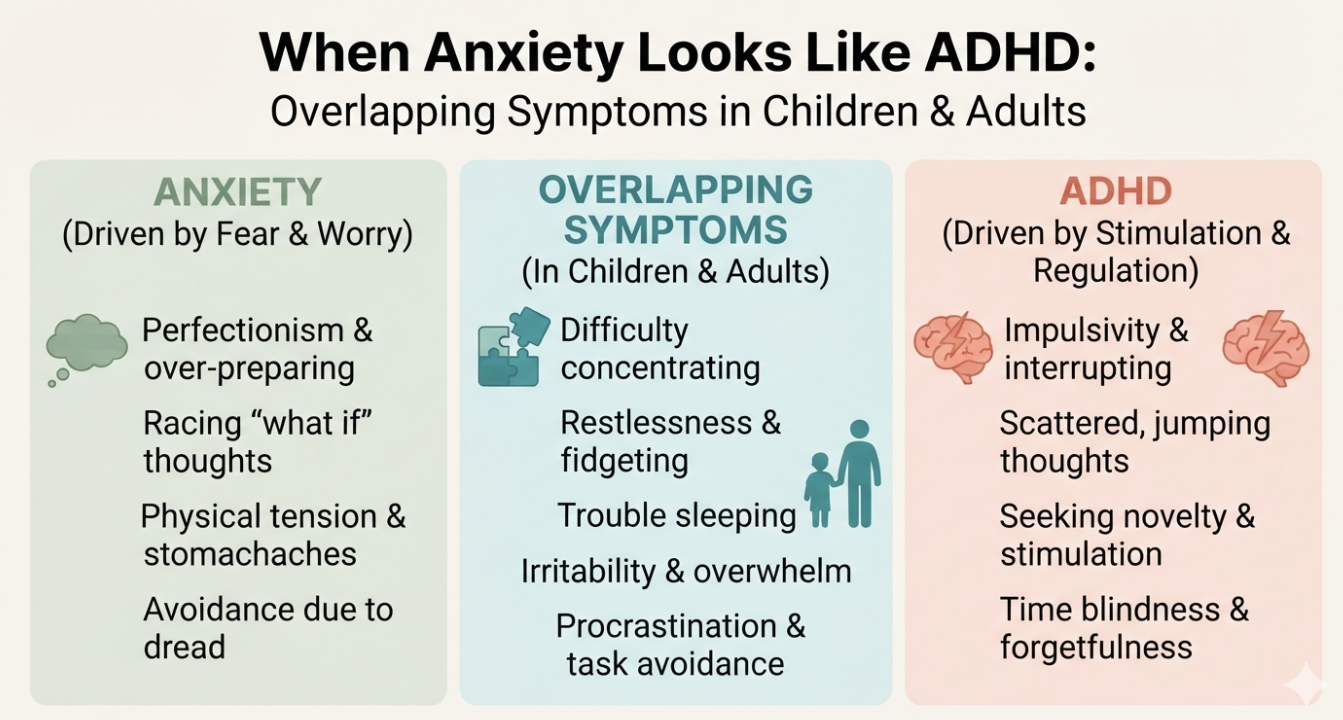
Understanding Why Anxiety and ADHD Can Be Difficult to Tell Apart
Difficulty concentrating, restlessness, forgetfulness, and trouble completing everyday tasks are often associated with Attention-Deficit/Hyperactivity Disorder (ADHD). However, these same challenges can also occur in people experiencing anxiety. Because the symptoms can look remarkably similar, identifying the underlying cause is not always straightforward. Children who struggle to remain focused in school may be experiencing anxiety rather than ADHD, while adults who constantly feel distracted or overwhelmed may have symptoms of either condition. In some cases, both conditions may exist together, making an accurate assessment even more important. Understanding the relationship between anxiety and ADHD helps families, educators, and individuals recognize what may be happening beneath the surface and seek appropriate professional support.
What Is ADHD and How Does It Affect Daily Life?
ADHD is a neurodevelopmental condition that affects attention regulation, impulse control, and activity levels. It commonly begins during childhood, although its symptoms may continue into adolescence and adulthood. Individuals with ADHD may struggle to organize tasks, remember instructions, manage time, or maintain attention during activities that require sustained mental effort. Some experience hyperactivity and impulsivity, while others primarily struggle with inattention and executive functioning. These challenges can affect academic performance, workplace productivity, relationships, and everyday responsibilities. ADHD is not simply a matter of being distracted or having too much energy, as it involves differences in how the brain manages attention, motivation, and self-regulation.
Understanding Anxiety and Its Impact on Concentration
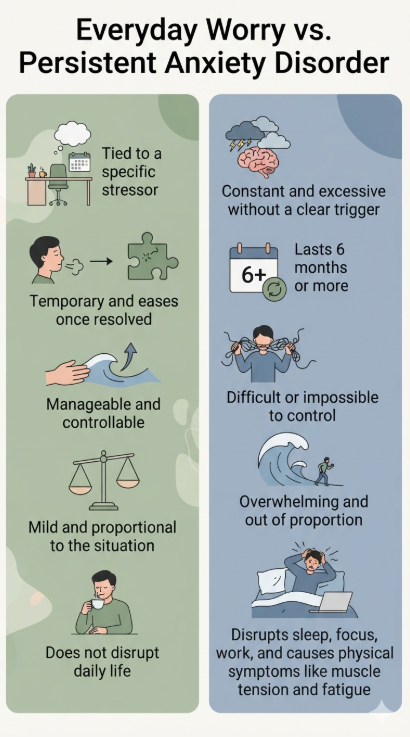
Anxiety is the body's natural response to perceived stress, uncertainty, or potential danger. While occasional anxiety is a normal part of life, persistent or excessive anxiety can interfere with a person's ability to function comfortably. People experiencing anxiety may find themselves constantly worrying about future situations, replaying past experiences, or anticipating negative outcomes. These thoughts can consume significant mental energy, leaving fewer cognitive resources available for concentration, decision-making, and memory. Children may become unusually quiet, restless, irritable, or hesitant when facing unfamiliar situations, while adults may experience racing thoughts and difficulty managing everyday responsibilities. When anxiety becomes persistent, it can affect sleep, academic performance, social interactions, and overall emotional well-being.
Why Anxiety Can Look Like ADHD
One of the biggest challenges in identifying these conditions is that both can affect attention, organization, and behavioral regulation. A child who frequently looks around the classroom, misses instructions, or struggles to finish assignments may appear to have ADHD. However, the underlying reason could be anxiety about making mistakes, being judged, or not understanding the material. Similarly, an adult who constantly switches between tasks may not necessarily have ADHD, as persistent worry can also make it difficult to remain mentally focused. Anxiety can create a state of heightened alertness in which the brain continuously monitors potential problems rather than concentrating on the task at hand. This overlap demonstrates why looking at individual symptoms without understanding their context can lead to confusion or an inaccurate interpretation of someone's difficulties.
Difficulty Concentrating and Maintaining Attention
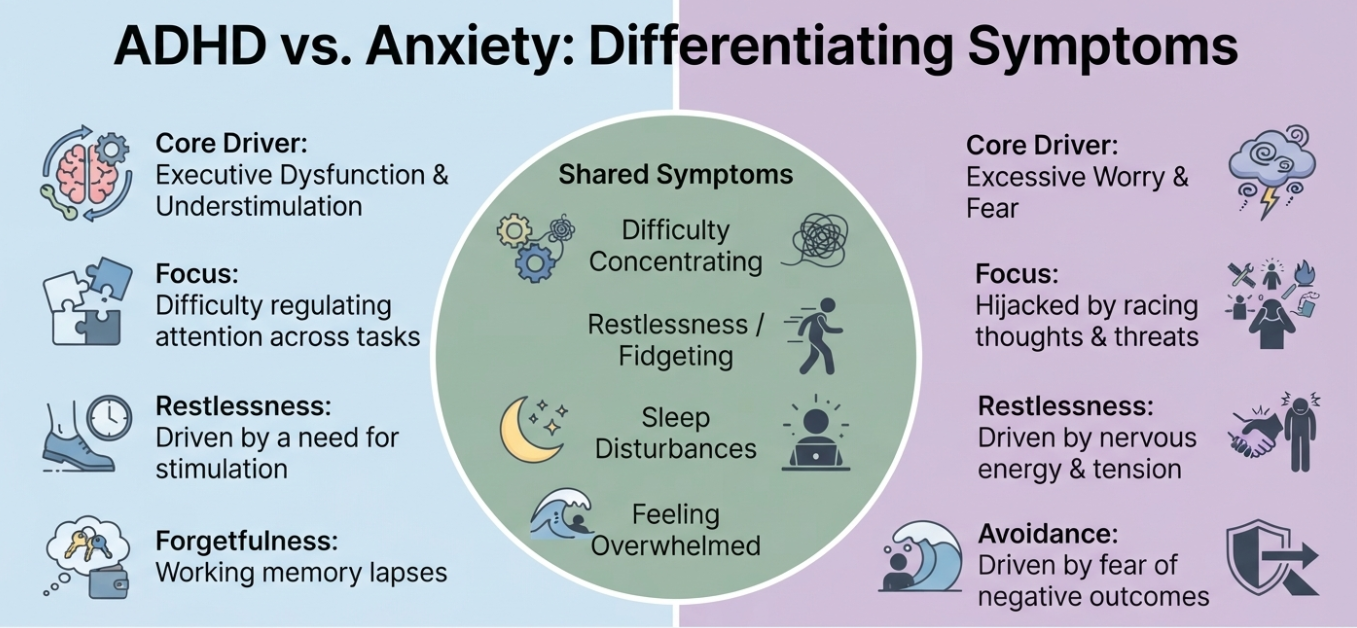
Problems with concentration are among the most recognizable overlapping symptoms of anxiety and ADHD. Individuals with ADHD may struggle to maintain attention because their brains have difficulty regulating focus, particularly during repetitive or less stimulating activities. They may become distracted by environmental sounds, unrelated thoughts, or activities happening around them. People experiencing anxiety, on the other hand, may struggle to concentrate because their attention is occupied by excessive worrying or fear-based thoughts. For example, a student may repeatedly read the same paragraph because they are worried about an upcoming examination rather than because they cannot sustain attention. Understanding what is happening internally when concentration becomes difficult can help professionals distinguish between attention regulation challenges and anxiety-related distraction.
Restlessness, Fidgeting, and Constant Movement
Restlessness is another symptom that can make anxiety and ADHD difficult to distinguish. Children with ADHD may frequently move around, tap their feet, interrupt activities, or struggle to remain seated when expected. Adults may experience internal restlessness, constantly switch activities, or feel uncomfortable sitting through long meetings. Anxiety can produce similar behaviors because the body remains in a heightened state of alertness. An anxious child might repeatedly move their hands, ask to leave the classroom, or appear unable to settle down before an unfamiliar activity. Adults experiencing anxiety may pace, bite their nails, or struggle to relax even when there is no immediate threat. Although these behaviors can look similar from the outside, understanding whether they are driven by persistent hyperactivity or emotional tension is an important part of the assessment process.
Forgetfulness and Problems With Memory
Forgetfulness can occur in both ADHD and anxiety, although the reasons behind it may differ. People with ADHD often experience difficulties with working memory, which affects their ability to temporarily hold and use information while completing tasks. They may forget appointments, misplace personal belongings, overlook instructions, or struggle to remember multiple steps in a routine. Anxiety can also interfere with memory because excessive worry makes it harder to process and retain information effectively. A child who appears not to remember classroom instructions may have been mentally preoccupied with concerns about social situations or academic expectations. Adults may forget conversations, overlook important details, or struggle to recall information during stressful meetings. Evaluating when forgetfulness occurs and whether it is connected to stress, distraction, or longstanding organizational difficulties can provide valuable insight.
Emotional Regulation and Frustration
Emotional regulation challenges are frequently associated with ADHD, but they can also be present in individuals experiencing anxiety. Children with ADHD may become frustrated when tasks require sustained attention, involve waiting, or feel difficult to complete. They might react strongly to unexpected changes or struggle to manage disappointment when something does not go as planned. Anxiety can create similar emotional responses, particularly when someone feels overwhelmed, uncertain, or afraid of making mistakes. For example, a child may become upset before school because they are worried about interacting with classmates or completing an assignment incorrectly. Adults may experience irritability, emotional exhaustion, or disproportionate frustration when facing situations that trigger persistent worry. Recognizing the circumstances surrounding emotional reactions can help distinguish between difficulties with self-regulation and anxiety-related distress.
How Anxiety and ADHD Symptoms May Appear in Children
Children may not always have the vocabulary or emotional awareness needed to explain what they are experiencing. As a result, anxiety may appear through behaviors that parents and teachers commonly associate with ADHD. A child who avoids homework, frequently asks for reassurance, or becomes distracted during lessons may be struggling with fear of failure or excessive worry. Some children become restless or disruptive when they feel uncomfortable, while others withdraw from classroom activities and avoid situations that make them anxious. Changes in sleep, frequent stomachaches, irritability, and reluctance to attend school may also provide clues that emotional distress is affecting their behavior. Parents should consider whether these patterns occur across different environments, such as home, school, and social settings, rather than focusing on isolated incidents. Looking at the child's emotional experiences, developmental history, and everyday functioning provides a more complete picture of their needs.
Recognizing Overlapping Symptoms in Adults
ADHD and anxiety can become particularly difficult to distinguish in adulthood because many individuals develop coping strategies that hide their underlying challenges. An adult with ADHD may rely heavily on reminders, detailed schedules, or last-minute bursts of productivity to manage everyday responsibilities. Someone experiencing anxiety may similarly overprepare, repeatedly check their work, or spend excessive time planning because they fear making mistakes. Both individuals may report difficulty prioritizing tasks, feeling mentally exhausted, and struggling to maintain consistent productivity. However, anxiety-related concentration difficulties are often closely connected to worrying, stress, or situations that trigger fear. ADHD-related challenges typically reflect a longer-standing pattern of attention regulation and executive functioning difficulties that began during childhood, even if they were not recognized at the time. Understanding the history, frequency, and circumstances of these symptoms is essential when evaluating adults who suspect they may have ADHD, anxiety, or both.
Key Differences Between Anxiety and ADHD
Although there is considerable overlap, certain patterns can help professionals understand whether symptoms are more closely associated with ADHD or anxiety. ADHD symptoms generally involve persistent difficulties with attention regulation, impulsivity, organization, and executive functioning across different situations. These difficulties often appear before anxiety becomes a concern and can continue even when a person feels relaxed or comfortable. Anxiety-related concentration problems are more likely to occur when excessive worry, fear, or stress occupies someone's attention. For instance, an individual with anxiety may concentrate relatively well when feeling safe and relaxed but struggle significantly during stressful situations. Someone with ADHD may experience attention difficulties even during periods without obvious emotional distress, although their focus can improve in highly interesting or stimulating environments. These distinctions are useful starting points, but they are not sufficient to diagnose either condition independently.
Can Someone Have Both Anxiety and ADHD?
Yes, ADHD and anxiety can occur together, and this combination can make daily challenges more complicated. Individuals with ADHD may experience repeated difficulties with organization, time management, academic performance, or relationships, which can contribute to anxiety over time. For example, a student who frequently forgets assignments may become increasingly worried about disappointing teachers or parents. Adults who struggle with deadlines, workplace expectations, or household responsibilities may develop persistent concerns about making mistakes or falling behind. In other situations, anxiety may exist independently alongside ADHD, with each condition contributing to different aspects of a person's difficulties. When both conditions are present, addressing only one may leave important symptoms unresolved. A comprehensive evaluation can help identify how each condition contributes to an individual's experiences and guide an appropriate treatment approach.
How Professionals Differentiate Anxiety From ADHD
An accurate assessment involves more than identifying a few symptoms from a checklist. Professionals typically consider developmental history, symptom duration, behavioral patterns, family observations, academic or workplace functioning, and emotional experiences. For children, information from parents, teachers, and other caregivers can help establish whether attention difficulties occur across multiple settings. Adults may be asked about childhood behaviors, previous academic challenges, work history, and longstanding difficulties with organization or time management. Standardized questionnaires and structured clinical interviews may also be used to gather additional information. Professionals may assess anxiety symptoms, ADHD-related behaviors, sleep patterns, and other factors that could contribute to concentration problems. The objective is to understand the complete picture rather than automatically attributing every attention-related difficulty to ADHD.
Treatment Approaches for Anxiety and ADHD
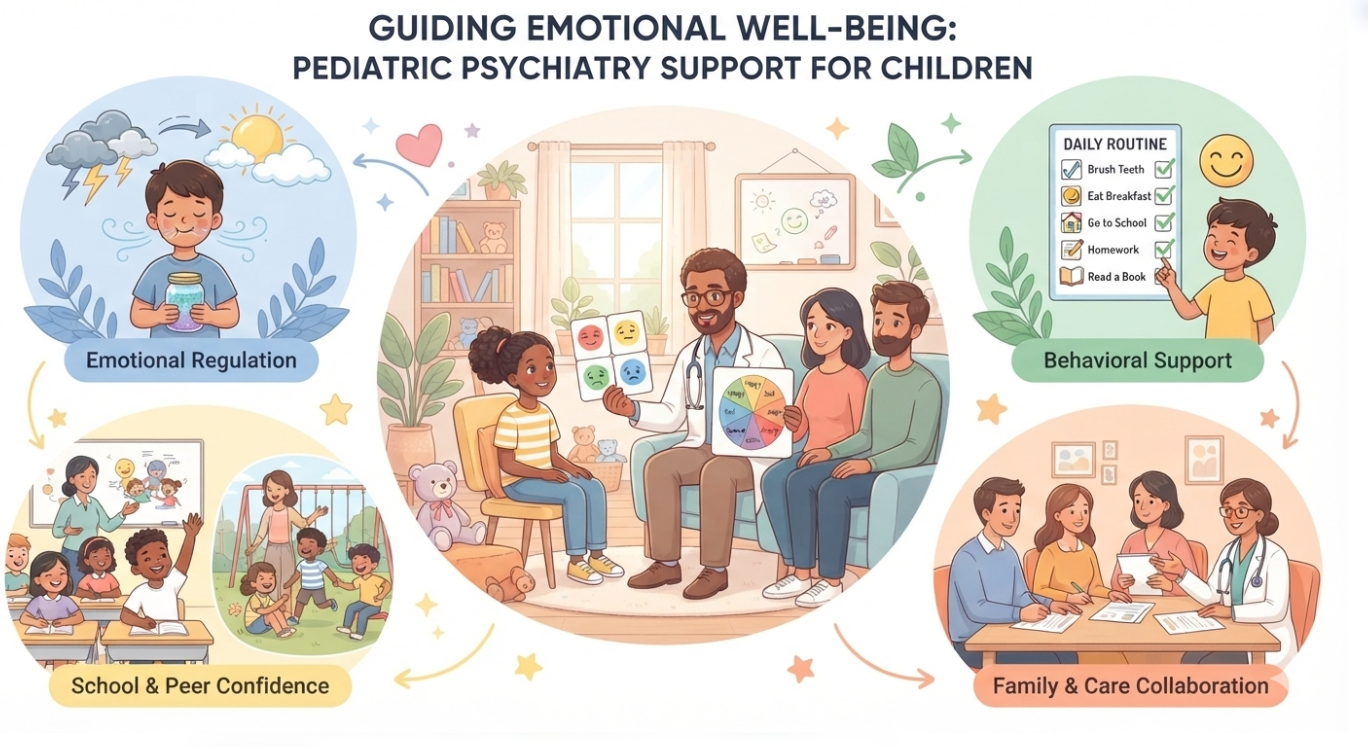
Treatment depends on the individual's symptoms, developmental needs, level of impairment, and whether anxiety, ADHD, or both conditions are present. For ADHD, treatment may include behavioral interventions, organizational strategies, executive functioning support, parent training, school accommodations, and medication when clinically appropriate. Anxiety treatment may involve cognitive behavioral therapy (CBT), relaxation strategies, gradual exposure to feared situations, and medication when recommended by a qualified healthcare professional. Children may benefit from structured routines, predictable expectations, and supportive communication that helps them express their concerns without feeling judged. Adults may benefit from learning practical techniques to manage worry, improve time management, and develop healthier responses to stressful situations. When both conditions occur together, treatment planning should consider how interventions for one condition may affect the other. Regular follow-up and adjustments based on progress can help ensure that support remains appropriate as circumstances change.
Practical Ways Parents Can Support Children Experiencing These Symptoms
Parents play an important role in recognizing behavioral changes and creating an environment where children feel comfortable discussing their experiences. Instead of immediately assuming that a child is being inattentive, disruptive, or uncooperative, parents can explore what might be contributing to the behavior. Maintaining consistent daily routines can help children feel more secure and reduce the stress associated with unexpected changes. Breaking larger assignments into manageable steps may also make it easier for children to approach challenging activities without becoming overwhelmed. Parents should communicate with teachers to understand whether similar patterns appear in the classroom and whether certain situations seem to trigger difficulties. Encouraging children to describe their feelings, offering reassurance without reinforcing avoidance, and recognizing their efforts can support emotional development. If attention difficulties, excessive worry, or behavioral changes consistently interfere with everyday functioning, seeking a professional assessment is a sensible next step.
When Should Adults Consider a Professional Evaluation?
Adults should consider seeking an evaluation when persistent attention difficulties, excessive worry, or restlessness begin interfering with work, relationships, personal responsibilities, or quality of life. Repeatedly missing deadlines, struggling to complete routine tasks, avoiding important decisions, or feeling mentally overwhelmed may indicate that additional support is needed. It is particularly important to consider whether these difficulties have existed since childhood or developed more recently in response to stress or other life changes. Adults who have spent years compensating for attention difficulties may not recognize how much effort their daily routines require. Others may assume that constant worrying is simply part of their personality without realizing that anxiety can be assessed and treated. A qualified professional can help determine which symptoms are present, identify possible contributing factors, and discuss suitable treatment options. Seeking support is not an admission of failure, but a practical step toward understanding personal challenges and improving everyday functioning.
Helping Individuals Find Clarity Through Comprehensive Assessment
Understanding whether attention difficulties are connected to anxiety, ADHD, or both requires careful consideration of the individual's experiences. At FocusDFW, we recognize the importance of looking beyond surface-level behaviors and understanding how emotional, cognitive, and developmental factors can influence everyday functioning. We believe that identifying the underlying reasons for concentration problems, restlessness, and emotional difficulties is an important step toward finding appropriate support. Every individual has different strengths, challenges, and experiences, which is why a thoughtful approach to assessment matters. Families and adults should feel comfortable discussing their concerns, asking questions, and exploring available options without feeling judged. With the right information and professional guidance, individuals can better understand their symptoms and take meaningful steps toward improved emotional well-being and daily functioning.
Take the Next Step Toward Understanding ADHD and Anxiety
If you or your child are experiencing persistent difficulty concentrating, restlessness, excessive worry, forgetfulness, or challenges with emotional regulation, it may be time to explore what is happening beneath the surface. Although anxiety and ADHD share several symptoms, understanding their differences can help prevent confusion and support more appropriate care. You do not have to navigate these concerns without guidance or wait until they begin significantly affecting everyday life. Our team at FocusDFW encourages families and adults to seek answers through a comprehensive understanding of their individual needs. Contact us today to learn more about available assessment and support options. Take the first step toward greater clarity, effective strategies, and a better understanding of the challenges affecting you or your child.