
How to Recognise When Everyday Worry Has Developed Into a Persistent Anxiety Disorder
How to Recognise When Everyday Worry Has Developed Into a Persistent Anxiety Disorder
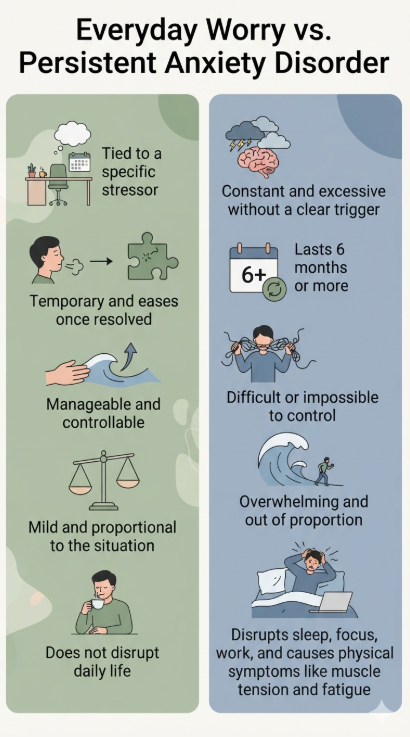
Worry is a natural part of everyday life. Whether we are dealing with work responsibilities, financial pressures, family concerns, relationship challenges, or unexpected changes, experiencing occasional anxiety is a normal human response. In many situations, worry helps us prepare for potential problems, make thoughtful decisions, and respond to stressful circumstances. However, there is an important difference between experiencing temporary worry and living with persistent anxiety that begins interfering with everyday life. When anxious thoughts become difficult to control, continue even when there is no immediate threat, or affect our ability to function normally, they may indicate something more significant. Recognising these changes early can help us understand when it may be time to seek professional support and take meaningful steps towards better emotional well-being.
Understanding the Difference Between Everyday Worry and Persistent Anxiety
Everyday worry usually develops in response to a specific situation or concern. For example, we might feel anxious before an important presentation, worry about an upcoming medical appointment, or experience stress when managing several responsibilities at once. These feelings generally become less intense when the situation improves or the problem is resolved. Although temporary worry can be uncomfortable, it does not usually prevent us from maintaining our daily routines, relationships, and responsibilities. Persistent anxiety, on the other hand, can continue even when there is no clear reason to feel threatened or concerned. It may become a recurring pattern of fear, nervousness, and anticipation that affects how we think, feel, and respond to ordinary situations.
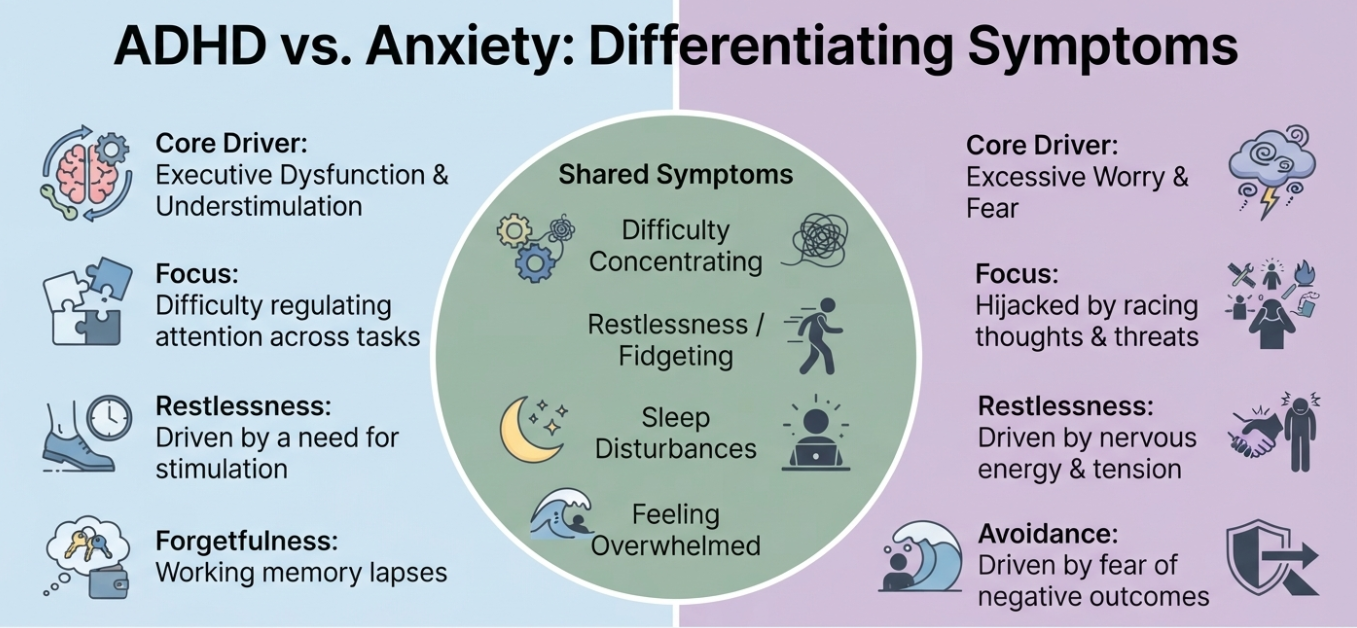
The distinction is not simply about how much someone worries, but also about how long the feelings last, how difficult they are to manage, and how significantly they affect daily functioning. Someone experiencing everyday stress may feel nervous about a particular deadline but gradually relax after completing the task. Someone struggling with persistent anxiety may continue worrying about the next deadline, potential mistakes, personal relationships, or situations that have not even occurred. Their mind may constantly search for possible problems, making it difficult to enjoy the present moment. When this pattern becomes frequent and starts affecting sleep, concentration, decision-making, or social activities, it deserves attention. Understanding this difference is an important first step towards recognising when professional guidance may be beneficial.
Recognising When Worry Becomes Difficult to Control
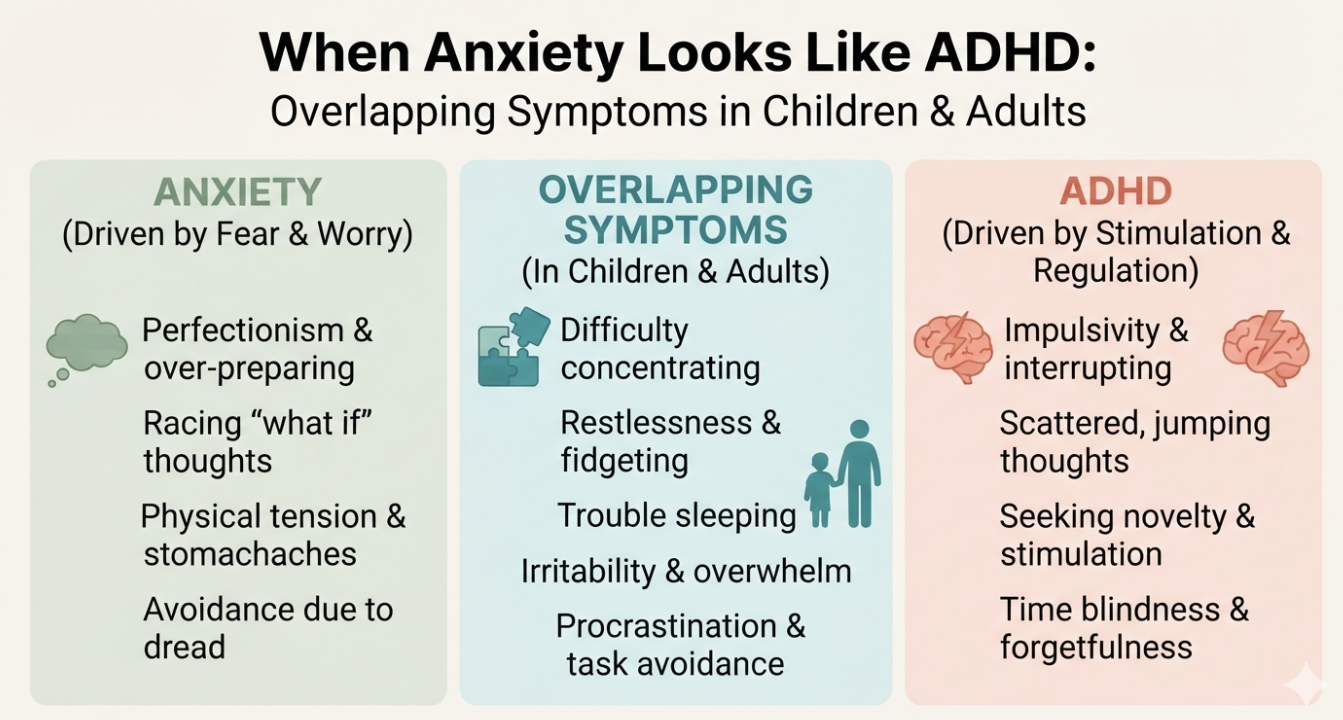
One of the most noticeable signs of persistent anxiety is difficulty controlling anxious thoughts. We may try to reassure ourselves that everything will be fine, distract ourselves with other activities, or remind ourselves that a situation is not as serious as it seems. However, the worrying continues despite these efforts and may even become more intense over time. A relatively small concern can quickly develop into several imagined worst-case scenarios, making it difficult to focus on anything else. We might repeatedly think about conversations, decisions, responsibilities, or potential mistakes long after the situation has passed. When these thoughts feel automatic, repetitive, and difficult to interrupt, they may indicate that anxiety is becoming more than an occasional emotional response.
Another important sign is the tendency to anticipate negative outcomes even when there is little evidence that something will go wrong. For example, a person may constantly worry that something bad will happen to their family, that they will lose their job, or that an ordinary physical sensation indicates a serious health problem. These concerns can become mentally exhausting because the individual feels responsible for predicting and preventing every possible negative outcome. Even receiving reassurance from friends or family may provide only temporary relief before another concern appears. Over time, this pattern can make everyday decisions feel overwhelming and create a constant sense of mental pressure. When worry becomes a regular part of our thinking rather than an occasional response to specific challenges, it is worth exploring with a qualified mental health professional.
Physical Symptoms That May Accompany Persistent Anxiety
Anxiety does not only affect our thoughts and emotions. It can also produce physical symptoms because the body's stress response becomes activated when we perceive a possible threat. During periods of heightened anxiety, we may experience a racing heartbeat, muscle tension, sweating, trembling, headaches, dizziness, or shortness of breath. Some individuals also experience digestive discomfort, nausea, stomach pain, or changes in appetite. These symptoms can occur even when we are not facing an immediate physical danger, making ordinary situations feel uncomfortable or threatening. When physical symptoms repeatedly appear alongside anxious thoughts, it is important to consider whether ongoing stress or an anxiety condition could be contributing to the experience.
Persistent anxiety can also leave us feeling physically exhausted. When the body remains in a heightened state of alertness, it can become difficult to relax fully, even during periods when we should be resting. We might notice tight shoulders, clenched jaws, frequent restlessness, or an inability to sit comfortably for extended periods. Some people experience recurring fatigue because their minds remain active even when they are physically tired. However, physical symptoms can have several possible causes, so they should not automatically be attributed to anxiety. Consulting an appropriate healthcare professional can help identify potential medical explanations while also determining whether psychological factors may be involved.
Sleep Problems and Constant Mental Activity
Sleep disturbances are another common experience among people dealing with persistent anxiety. We may lie awake thinking about unfinished tasks, upcoming responsibilities, financial concerns, or situations that we cannot control. Even when we manage to fall asleep, anxious thoughts may contribute to waking frequently throughout the night or struggling to return to sleep. Some individuals experience early morning waking accompanied by immediate feelings of nervousness or dread. Over time, inadequate sleep can affect mood, concentration, energy levels, and our ability to manage everyday challenges. This can create a difficult cycle in which anxiety disrupts sleep and poor sleep makes anxiety harder to manage.
It is also possible to experience anxiety even when there is nothing particularly stressful happening during the day. A person may finish their work, spend time with family, and complete their responsibilities but still struggle to switch off mentally. Their thoughts may move from one potential problem to another, creating a feeling that something important has been overlooked. This inability to relax can make enjoyable activities feel less satisfying because attention remains focused on possible future difficulties. When sleep problems and constant mental activity continue over an extended period, they can become important indicators that additional support may be needed. Developing healthier sleep habits can help, but persistent symptoms may require a more comprehensive approach.
Avoiding Situations Because of Fear or Anxiety
Avoidance is another important behavioural sign that anxiety may be interfering with everyday life. Someone experiencing persistent anxiety may begin avoiding situations that previously felt manageable or comfortable. They might stop attending social gatherings, decline professional opportunities, avoid driving, postpone appointments, or limit activities because they fear something uncomfortable or embarrassing could happen. Although avoiding these situations may provide immediate relief, it can gradually strengthen anxiety by reinforcing the belief that the situation is dangerous or impossible to manage. As avoidance increases, everyday life may become more restricted and opportunities for personal, professional, and social development may decrease. Recognising these behavioural changes is important because anxiety does not always appear as visible nervousness or panic.
Sometimes avoidance can be less obvious. A person may repeatedly check their work because they fear making mistakes, ask others for reassurance before making simple decisions, or spend excessive time preparing for situations that do not require such extensive planning. They may also avoid expressing opinions, setting boundaries, or discussing difficult subjects because they anticipate negative reactions. These behaviours can affect relationships, workplace performance, and confidence over time. While preparation and caution are useful in many circumstances, they become problematic when fear consistently dictates our choices. If anxiety is influencing what we feel comfortable doing or preventing us from participating in normal activities, speaking with a mental health professional can help us understand the underlying patterns.
Difficulty Concentrating and Making Everyday Decisions
Persistent anxiety can consume a significant amount of mental energy, leaving fewer resources available for concentration and problem-solving. We may find ourselves reading the same information repeatedly, forgetting small details, or struggling to complete tasks that previously felt straightforward. During conversations, our attention may drift towards internal worries rather than remaining focused on the person speaking. Even simple decisions, such as choosing what to purchase, responding to an email, or planning the day, may begin to feel unusually difficult. This often happens because the mind becomes preoccupied with analysing every possible outcome and trying to avoid making the wrong choice. When these difficulties occur frequently, they can affect productivity and create additional frustration.
The impact can become particularly noticeable in professional environments. Someone experiencing persistent anxiety may struggle with deadlines, avoid taking on new responsibilities, or constantly question whether their work meets expectations. They might spend excessive time reviewing completed tasks because they fear criticism or mistakes. At home, the same person may find it difficult to organise responsibilities, maintain routines, or remain emotionally present with loved ones. These challenges can sometimes be misunderstood as a lack of motivation or poor time management when anxiety may be contributing to the underlying difficulties. Recognising the connection between emotional well-being and everyday functioning can help us approach these challenges with greater understanding and seek appropriate support.
Emotional Changes That Should Not Be Ignored
Persistent anxiety can influence our emotional responses in ways that are not always immediately obvious. We may become more irritable, impatient, emotionally sensitive, or easily overwhelmed by situations that previously felt manageable. Small inconveniences can trigger disproportionate frustration because our minds and bodies are already dealing with ongoing tension. Some individuals also experience a constant sense of apprehension, as though something bad is about to happen even when everything appears normal. This feeling can make it difficult to experience relaxation, excitement, or enjoyment without an underlying layer of worry. Over time, these emotional changes may affect our confidence and how we interact with other people.
Another possible experience is feeling disconnected from activities that once brought happiness or satisfaction. Socialising may feel exhausting, hobbies may become less enjoyable, and spending time with loved ones may involve more internal tension than relaxation. Some people begin questioning their abilities, worrying excessively about how others perceive them, or feeling guilty about concerns they cannot control. These experiences can overlap with other mental health conditions, including depression, which makes professional assessment particularly valuable. Rather than dismissing these changes as personality traits or simply having a difficult period, we should consider whether they represent a persistent shift in emotional well-being. Paying attention to these patterns allows us to recognise when additional care and understanding may be necessary.
When Does Anxiety Become an Anxiety Disorder?
Experiencing anxiety does not automatically mean that someone has an anxiety disorder. Mental health professionals consider several factors when evaluating whether symptoms meet the criteria for a clinical condition. These include the nature of the symptoms, how frequently they occur, how long they have been present, and whether they significantly interfere with everyday functioning. For example, generalised anxiety disorder involves excessive anxiety and worry about multiple areas of life that are difficult to control. According to established diagnostic criteria, symptoms associated with generalised anxiety disorder typically occur more days than not for at least six months, alongside other symptoms such as restlessness, fatigue, difficulty concentrating, irritability, muscle tension, or sleep disturbances. However, different anxiety disorders have different diagnostic requirements, and individuals should not attempt to diagnose themselves based on a checklist alone.
Anxiety disorders can also take different forms depending on the individual's experiences. Panic disorder involves recurrent unexpected panic attacks accompanied by ongoing concern about additional attacks or changes in behaviour related to them. Social anxiety disorder involves significant fear of social situations where a person may feel exposed to judgement or embarrassment. Specific phobias involve intense fear associated with particular objects or situations, while other anxiety-related conditions may involve separation fears or persistent concerns about particular circumstances. Understanding these differences is important because the most appropriate treatment depends on the individual's symptoms and circumstances. A qualified mental health professional can conduct an assessment, consider other possible explanations, and recommend suitable treatment options based on the person's needs.
How Persistent Anxiety Can Affect Relationships and Daily Life
When anxiety becomes a regular part of life, its effects can extend beyond the individual experiencing it. Relationships may become strained when someone constantly seeks reassurance, struggles to communicate their feelings, or avoids activities that involve uncertainty. Friends and family members may not always understand why seemingly ordinary situations create such significant distress. This can lead to misunderstandings, frustration, or feelings of isolation on both sides. In some cases, individuals experiencing anxiety may withdraw from social interactions because they do not want others to notice their symptoms or feel responsible for their emotional difficulties. Maintaining open communication and recognising that anxiety is not simply a matter of choosing to worry less can help create a more supportive environment.
The effects can also influence physical health, work performance, personal confidence, and overall quality of life. Constantly anticipating problems can make it difficult to enjoy positive experiences because attention remains focused on what might happen next. People may postpone important decisions, miss opportunities, or limit their activities to avoid uncomfortable feelings. Over time, these restrictions can reinforce anxiety and make ordinary responsibilities increasingly difficult to manage. The important thing to remember is that these challenges are not signs of personal weakness or a lack of determination. Anxiety is a recognised mental health concern, and appropriate support can help individuals develop healthier responses to stress and regain confidence in their everyday lives.
Practical Steps That Can Help Manage Persistent Anxiety
Recognising anxiety is an important first step, but developing healthier ways to respond to it is equally valuable. Establishing consistent daily routines can help create a greater sense of stability, particularly when life feels unpredictable or overwhelming. Regular physical activity, balanced nutrition, sufficient sleep, and time away from excessive digital stimulation can contribute to overall emotional well-being. Relaxation techniques such as controlled breathing, mindfulness, and progressive muscle relaxation may also help reduce physical tension and improve awareness of anxious thoughts. These strategies are not intended to eliminate every uncomfortable feeling, but they can help us respond more effectively when anxiety arises. Small, consistent changes can gradually support a healthier relationship with everyday stress.
It can also be helpful to identify situations, thoughts, and patterns that appear to trigger anxiety. Keeping a private journal may help us recognise whether certain responsibilities, environments, interactions, or recurring concerns are contributing to increased distress.
Learning to distinguish between realistic problems and imagined worst-case scenarios can also reduce unnecessary mental pressure. Instead of trying to solve every possible future problem, we can focus on identifying what is within our control and taking manageable steps towards addressing it. However, when anxiety is persistent, significantly disruptive, or difficult to manage independently, lifestyle changes alone may not be sufficient. Professional guidance can provide structured strategies that address the underlying patterns rather than focusing only on temporary symptom relief.
When Should You Consider Professional Mental Health Support?
It may be time to consider professional support when worry becomes difficult to control, continues over an extended period, or interferes with important areas of life. If anxiety is affecting sleep, relationships, work responsibilities, decision-making, or the ability to enjoy everyday activities, seeking an assessment can be a constructive next step. We do not need to wait until symptoms become overwhelming before asking for help. Even when we are unsure whether our experiences indicate an anxiety disorder, discussing them with a qualified professional can provide clarity and direction. Early support may also help prevent unhelpful coping patterns, such as persistent avoidance, from becoming more established. Seeking help should be viewed as a proactive investment in emotional well-being rather than something to feel embarrassed about.
Mental health professionals may recommend different approaches depending on the nature and severity of the symptoms. Cognitive behavioural therapy (CBT) is a widely used treatment for anxiety that helps individuals recognise unhelpful thinking patterns and develop more balanced responses to difficult situations. Other therapeutic approaches may include acceptance and commitment therapy, mindfulness-based interventions, or exposure-based techniques when clinically appropriate. In some circumstances, a healthcare provider may also discuss medication as part of a broader treatment plan. Treatment decisions should always be based on an individual assessment rather than assumptions about what works for everyone. With appropriate guidance, individuals can learn practical coping skills, better understand their emotional responses, and gradually improve their ability to manage anxiety.
Building a Healthier Relationship With Your Mental Well-Being
Understanding the difference between everyday worry and persistent anxiety allows us to respond to emotional difficulties with greater awareness and compassion. We all experience uncertainty, pressure, and challenging situations, but we should not have to spend every day feeling overwhelmed by concerns that seem impossible to control. Paying attention to changes in our thoughts, physical symptoms, sleeping patterns, emotional responses, and daily behaviours can help us identify when something needs attention. It is equally important to avoid judging ourselves or others for experiencing anxiety because mental health challenges are not a reflection of someone's character or abilities. Recognising that support is available can make it easier to take the first step towards meaningful change. A healthier relationship with our mental well-being begins with understanding what we are experiencing and recognising that we deserve appropriate care.
At FocusDFW, we believe that understanding mental health concerns is an important part of creating healthier, more balanced lives. If persistent worry, emotional tension, or anxiety-related challenges are affecting your everyday experiences, taking the time to explore professional support can be a valuable decision. You do not need to have all the answers before reaching out, and you do not need to wait until your symptoms become severe to seek guidance. Our goal is to encourage greater awareness of mental well-being and help individuals take informed steps towards finding appropriate support. Whether you are beginning to recognise changes in your emotional health or looking for guidance on what to do next, we encourage you to connect with our team. Contact FocusDFW today to learn more about available support and take a positive step towards prioritising your mental well-being.
Frequently Asked Questions
How can I tell if my everyday worry has become an anxiety disorder?
Everyday worry is generally connected to specific situations and tends to decrease when those situations are resolved. An anxiety disorder may involve excessive, recurring fear or worry that is difficult to control and affects daily functioning. You may also experience physical symptoms, sleep disturbances, concentration difficulties, or avoidance behaviours. If these experiences are persistent or interfere with your relationships, work, or personal activities, consider speaking with a qualified mental health professional. A professional assessment is necessary to determine whether your symptoms meet the criteria for an anxiety disorder.
How long does anxiety need to last before it becomes a disorder?
There is no single duration that applies to every anxiety disorder. For example, generalised anxiety disorder typically involves excessive worry occurring more days than not for at least six months, alongside additional symptoms. Other anxiety conditions have different diagnostic criteria and may be recognised based on their specific symptoms and impact. You should not wait six months to seek help if anxiety is already affecting your quality of life. Early professional guidance can help you understand your symptoms and identify appropriate support.
Can anxiety cause physical symptoms even when nothing is wrong?
Yes, anxiety can activate the body's stress response and produce physical symptoms even when there is no immediate danger. Common experiences include a racing heartbeat, muscle tension, sweating, trembling, headaches, digestive discomfort, and difficulty breathing. These symptoms can feel alarming, particularly when they occur unexpectedly. However, physical symptoms can also have medical causes, so it is important to seek appropriate medical evaluation rather than automatically assuming anxiety is responsible.
Can persistent anxiety improve without professional treatment?
Some people find that mild anxiety improves through lifestyle adjustments, relaxation techniques, physical activity, and better stress management. However, persistent anxiety that significantly affects everyday functioning may require professional treatment. Evidence-based approaches such as cognitive behavioural therapy can help individuals understand and manage unhelpful thought patterns and behaviours. The most appropriate approach depends on the individual's symptoms, circumstances, and clinical assessment.
What is the difference between anxiety and a panic attack?
Anxiety generally involves ongoing worry, nervousness, or apprehension about potential situations or threats. A panic attack is a sudden episode of intense fear or discomfort that may involve a racing heart, sweating, trembling, dizziness, chest discomfort, or a feeling of losing control. Panic attacks can occur unexpectedly or in response to specific triggers. Although both experiences are related to anxiety, they are not the same, and recurring panic attacks may warrant professional assessment.
When should I seek immediate help for anxiety-related symptoms?
You should seek urgent medical attention if you experience severe or new chest pain, serious difficulty breathing, fainting, or other potentially serious physical symptoms, rather than assuming they are caused by anxiety. If emotional distress becomes overwhelming or you experience thoughts of harming yourself, contact emergency services or a crisis support service in your area. Reaching out to a trusted person and a qualified mental health professional can also help you access appropriate support. Your safety and well-being should always come first.