

How Pediatric Psychiatry Helps Children Navigate Emotional
How Pediatric Psychiatry Helps Children Navigate Emotional and Behavioural Changes During School Years
Understanding Emotional and Behavioural Changes During Childhood
The school years are an important period of emotional, social, cognitive, and behavioural development. As children grow, they experience new situations that influence how they think, feel, communicate, and interact with the people around them. Starting school, building friendships, managing academic expectations, participating in extracurricular activities, and adjusting to changing social environments can bring a wide range of emotions. While some children adapt to these experiences naturally, others may find certain transitions more challenging. Parents and teachers might notice changes in mood, increased frustration, withdrawal, difficulty concentrating, or unexpected behavioural patterns. Understanding these changes is essential because they can sometimes indicate emotional or psychological difficulties that deserve professional attention.
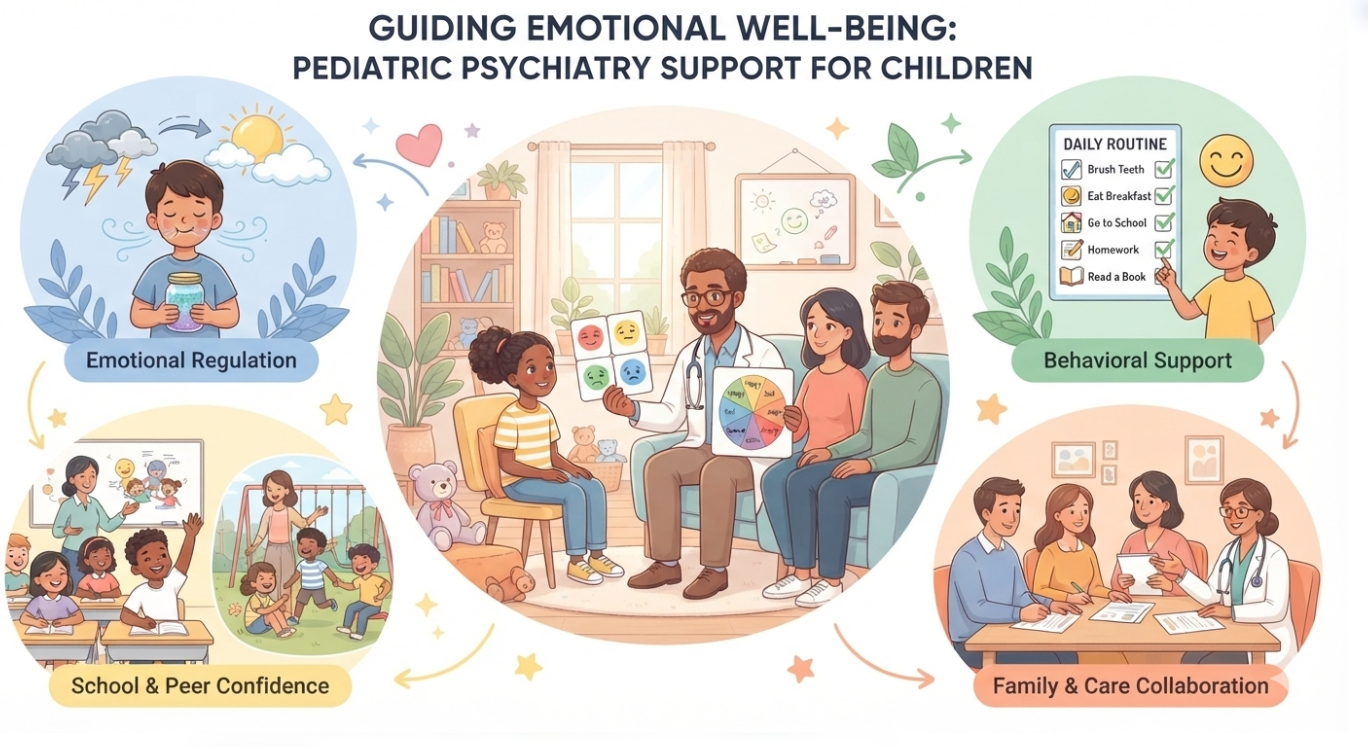
Every child develops at a different pace, and occasional emotional ups and downs are a normal part of growing up. However, when behavioural changes become persistent, interfere with school performance, affect relationships, or make everyday activities difficult, it may be helpful to seek professional guidance. Pediatric psychiatry focuses on understanding the emotional, behavioural, and mental health needs of children and adolescents. Through appropriate assessment and individualized treatment, pediatric psychiatrists help identify underlying concerns and develop strategies that support healthy development. Early attention can also prevent smaller challenges from becoming more disruptive over time. With the right support, children can develop healthier coping mechanisms, improve emotional regulation, and feel more confident navigating their school years.
Why the School Years Can Bring Emotional and Behavioural Challenges
School introduces children to an environment where they must manage several responsibilities simultaneously. They are expected to follow routines, complete assignments, interact with classmates, respect classroom rules, and respond to instructions from teachers. These expectations can sometimes feel overwhelming, particularly when children are still developing the emotional skills needed to manage frustration, disappointment, and stress. Academic pressure may also increase as children move into higher grades and encounter more demanding subjects. Some children become anxious about making mistakes, receiving lower grades, or meeting the expectations of their parents and teachers. When these pressures accumulate, they may appear as irritability, avoidance, frequent emotional outbursts, or reduced interest in school activities.
Social experiences also play an important role in childhood emotional development. Children begin forming stronger friendships, learning about acceptance, navigating disagreements, and understanding their place within peer groups. Experiences such as bullying, social exclusion, friendship conflicts, or difficulty communicating with classmates can affect their confidence and emotional well-being. Some children may struggle to express these experiences verbally, making it difficult for parents to understand what is happening. Instead of explaining their feelings, they might become unusually quiet, refuse to attend school, or display behavioural changes at home. Pediatric psychiatry helps families understand the connection between these experiences and a child's emotional responses while identifying appropriate ways to address the underlying concerns.
Recognizing Signs That a Child May Need Pediatric Psychiatric Support
Children do not always communicate emotional distress in the same way adults do. Younger children may express difficult emotions through crying, tantrums, clinginess, or changes in their sleeping and eating habits. School-aged children may become argumentative, lose interest in activities they previously enjoyed, experience frequent stomachaches, or struggle to complete everyday responsibilities. Older children and teenagers may show increased irritability, social withdrawal, academic difficulties, or changes in their relationships with family members. These behaviours should be understood within the context of the child's age, development, environment, and individual circumstances. A single difficult day does not necessarily indicate a mental health condition, but persistent or increasingly disruptive changes deserve attention.
Parents should also pay attention to changes that affect a child's ability to function at school and home. For example, a child who previously enjoyed attending school may suddenly develop intense anxiety about leaving home or participating in classroom activities. Another child may experience ongoing difficulty concentrating, following instructions, controlling impulses, or completing assignments despite consistent encouragement. Emotional distress can sometimes appear through physical complaints, including headaches, stomach discomfort, and fatigue, particularly when stress or anxiety is involved. When these concerns continue or become more severe, a professional assessment can help determine whether they are related to developmental differences, emotional difficulties, environmental stressors, or an underlying mental health condition. Recognizing these patterns early allows families to explore appropriate support before the challenges significantly affect a child's confidence and development.
How Pediatric Psychiatry Identifies Underlying Emotional and Behavioural Concerns
Pediatric psychiatry provides a structured approach to understanding the factors that influence a child's thoughts, emotions, and behaviour. Rather than focusing only on visible symptoms, a pediatric psychiatrist considers the child's developmental history, family environment, school experiences, relationships, and overall functioning. The assessment process may involve discussions with parents or caregivers, age-appropriate conversations with the child, behavioural observations, and standardized assessment tools when clinically appropriate.
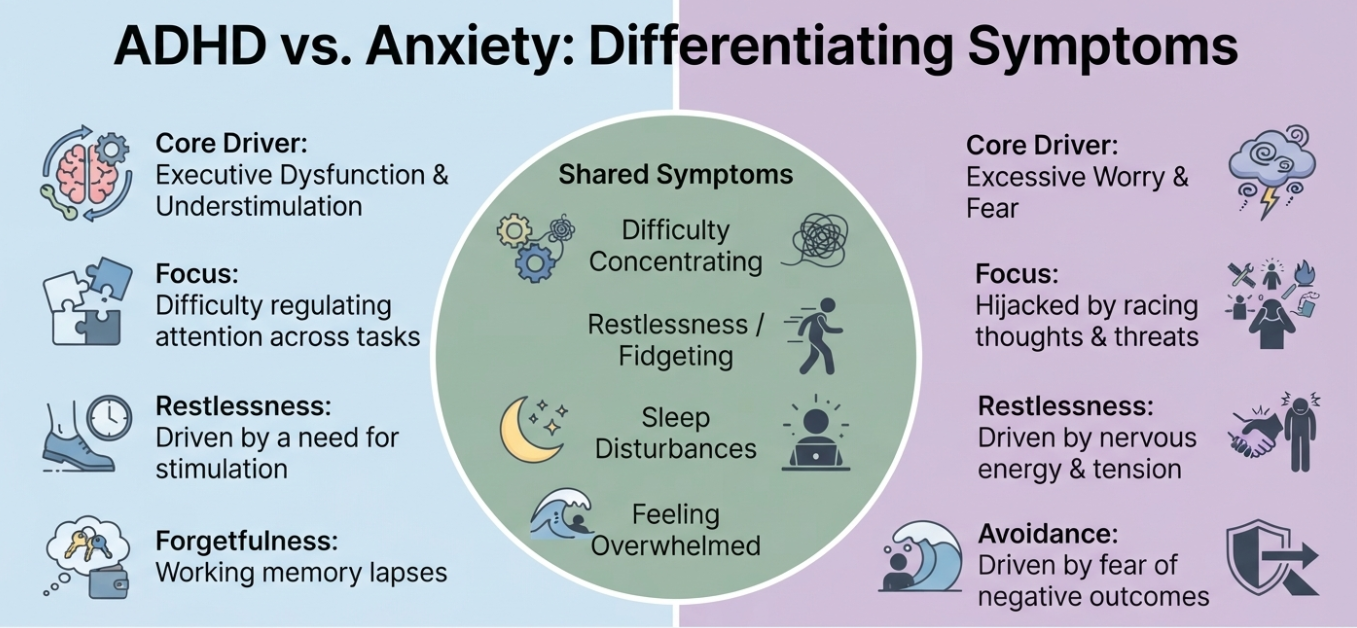
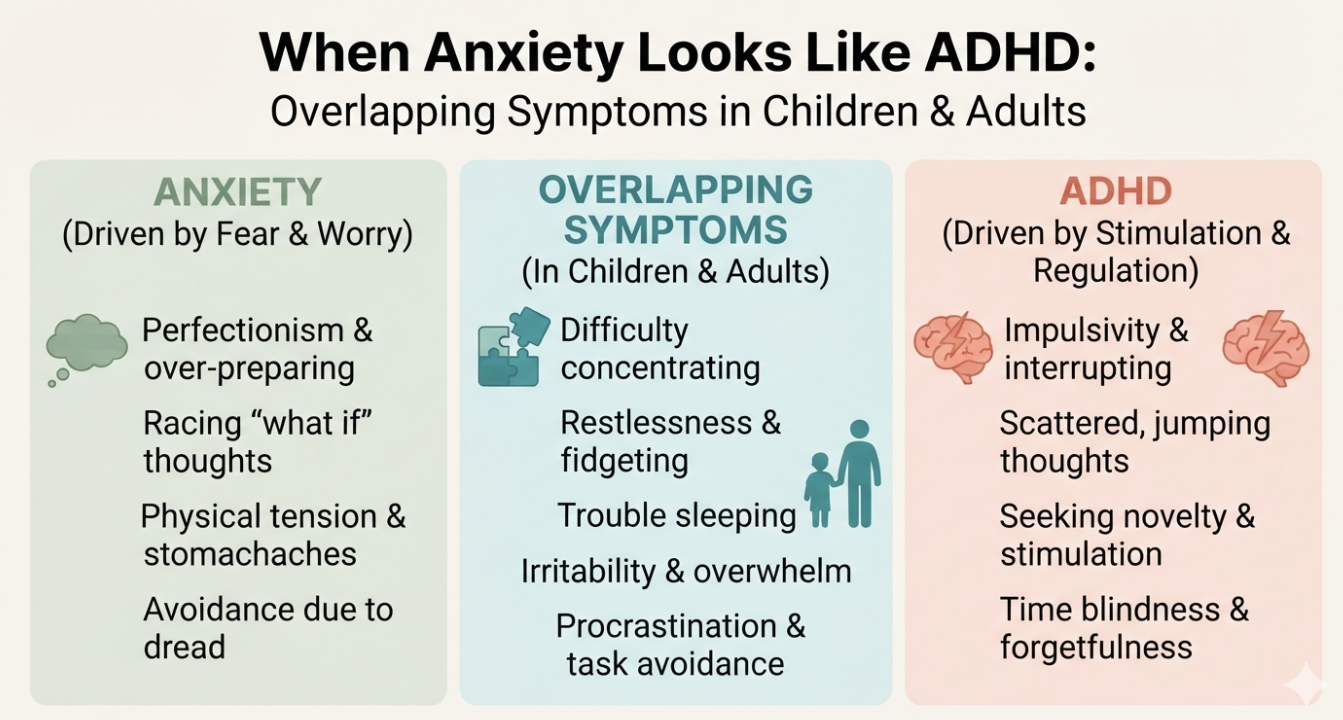
Information from teachers or other professionals may also help provide a broader understanding of how the child functions in different environments. This comprehensive approach is important because similar behaviours can have different underlying causes. For example, difficulty concentrating may be associated with attention-related challenges, anxiety, sleep difficulties, learning differences, or other factors that require careful evaluation.
An individualized assessment also helps distinguish between typical developmental changes and concerns that may benefit from clinical intervention. Children experience emotional and behavioural difficulties for many reasons, and it is important not to assume a diagnosis based on one or two symptoms. A pediatric psychiatrist evaluates the frequency, duration, severity, and impact of the behaviours before recommending an appropriate course of action. The professional may also consider whether environmental adjustments, psychological therapy, family support, or medical treatment could be beneficial. This process helps families move beyond uncertainty and understand what their child may be experiencing. With a clearer understanding of the underlying concerns, parents and professionals can work together to create a support plan that addresses the child's specific needs.
Supporting Children Experiencing School-Related Anxiety
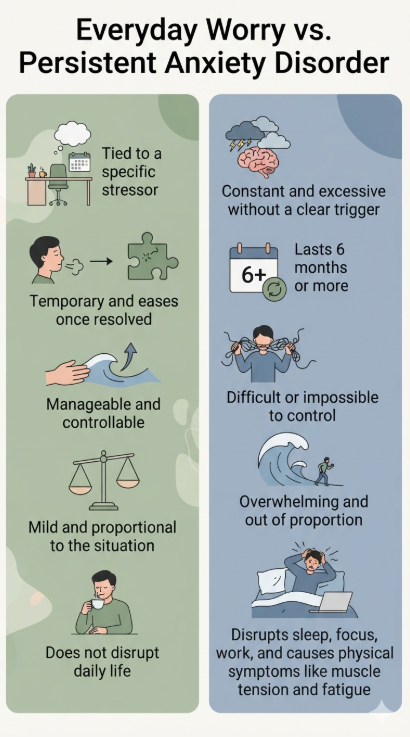
School-related anxiety is a common concern that can affect children at different stages of development. Some children worry excessively about academic performance, classroom participation, examinations, or disappointing their parents. Others may experience anxiety related to separation from caregivers, social interactions, bullying, or unfamiliar school environments. These worries can sometimes become so overwhelming that children struggle to attend school regularly or participate in activities they previously enjoyed. Physical symptoms such as nausea, headaches, stomachaches, and difficulty sleeping may also accompany emotional distress. When anxiety becomes persistent and interferes with daily functioning, pediatric psychiatric support can help identify its triggers and determine the most appropriate treatment approach.
Treatment for anxiety-related concerns depends on the child's age, symptoms, developmental needs, and the severity of the condition. Cognitive behavioural therapy may help children recognize unhelpful thought patterns, understand their emotional responses, and develop practical strategies for managing anxious situations. A pediatric psychiatrist may also recommend gradual exposure to challenging situations, relaxation techniques, parent guidance, or coordination with school staff when appropriate. In some cases, medication may be considered as part of a broader treatment plan following a careful clinical evaluation. Parents can support progress by maintaining predictable routines, listening without judgment, and encouraging children to communicate their worries. The goal is not to eliminate every uncomfortable emotion but to help children develop the confidence and coping skills needed to manage difficult situations.
Addressing Attention, Hyperactivity, and Impulse Control Difficulties
Attention and behavioural regulation become increasingly important as children progress through school. They must listen to instructions, remain focused during lessons, organize their schoolwork, manage transitions, and control impulses when interacting with others. Some children consistently struggle with these expectations despite making genuine efforts to improve. They may become easily distracted, forget instructions, interrupt conversations, leave their seats frequently, or find it difficult to complete tasks. These patterns can affect academic performance, classroom relationships, and confidence, particularly when children repeatedly receive negative feedback about their behaviour. Pediatric psychiatry can help determine whether these difficulties are associated with Attention-Deficit/Hyperactivity Disorder (ADHD) or other developmental, emotional, or environmental factors.
When ADHD is identified, treatment generally focuses on improving the child's ability to function across different settings. Depending on the individual assessment, treatment may include behavioural interventions, parent training, school-based accommodations, organizational strategies, and medication when clinically indicated. Children can benefit from structured routines, clear instructions, manageable tasks, and consistent expectations at home and school. Teachers may also provide appropriate classroom adjustments to reduce distractions and support learning. Parents play an important role by recognizing their child's strengths and reinforcing positive behaviours rather than focusing exclusively on difficulties. With appropriate support, children experiencing attention and impulse control challenges can build stronger organizational skills, improve classroom participation, and develop greater confidence in their abilities.
Helping Children Manage Depression and Persistent Mood Changes
Emotional changes during the school years can sometimes be more complex than ordinary mood fluctuations. Some children experience persistent sadness, irritability, reduced motivation, or a loss of interest in activities they previously enjoyed. They may withdraw from friends, struggle with everyday responsibilities, experience changes in appetite, or have difficulty sleeping. Academic performance may also decline as emotional distress affects concentration, memory, and motivation. Depression in children does not always look like the sadness commonly associated with adults. Younger children, in particular, may display irritability, frequent crying, physical complaints, or increased frustration rather than openly discussing feelings of sadness.
Pediatric psychiatric assessment helps determine whether persistent mood changes may be associated with depression or another emotional health concern. Treatment may involve psychotherapy, family involvement, lifestyle and routine adjustments, and medication when appropriate following a clinical evaluation. Children benefit from having a safe environment where they can discuss difficult feelings without fearing criticism or punishment. Parents should take changes in mood seriously, especially when they persist for several weeks or begin affecting school attendance, friendships, and daily functioning. Any mention of self-harm, suicidal thoughts, or feeling unsafe requires immediate professional attention. If a child is at immediate risk of harm, seek emergency assistance rather than waiting for a routine appointment. Early recognition and appropriate care can make a meaningful difference in helping children regain emotional stability and reconnect with everyday activities.
Understanding the Connection Between Behaviour and Emotional Health
Behaviour is one of the primary ways children communicate their needs, particularly when they do not yet have the vocabulary or emotional awareness to explain what they are experiencing. A child who frequently argues, refuses instructions, or reacts strongly to minor frustrations may be struggling with emotional regulation rather than simply choosing to be difficult. Similarly, repeated classroom disruptions or social conflicts may be connected to anxiety, frustration, developmental differences, or challenges with impulse control. Understanding the reason behind a behaviour is often more productive than responding only with punishment. Pediatric psychiatry examines behavioural patterns in the context of a child's developmental stage, emotional experiences, and surrounding environment. This helps families understand what may be contributing to the behaviour and how they can respond more effectively.
Some children may experience oppositional behaviours, difficulty managing frustration, or persistent conflicts with adults and peers. These patterns can place pressure on family relationships and create challenges within the classroom. Professional guidance can help parents identify triggers, establish consistent expectations, and use supportive approaches that encourage positive behaviour. Children may also learn emotional regulation skills, problem-solving techniques, and healthier ways to express disagreement or disappointment. Collaboration between caregivers and school professionals can reinforce these skills across different environments. When children feel understood and supported, they are more likely to develop constructive ways of communicating their needs and managing challenging situations.
The Importance of Early Intervention During School Years
Early intervention is valuable because emotional and behavioural difficulties can influence several areas of a child's development. When concerns remain unaddressed, children may experience repeated academic setbacks, difficulty forming friendships, reduced self-esteem, and increasing frustration with everyday responsibilities. These experiences can create additional emotional pressure and make existing challenges more difficult to manage. Seeking professional guidance does not mean that a child has a serious psychiatric condition. Instead, it provides an opportunity to understand their needs and identify supportive strategies before difficulties become more disruptive. Early assessment can also help families recognize developmental differences and make informed decisions about appropriate care.
The benefits of early support extend beyond immediate symptom management. Children who receive appropriate guidance can develop stronger emotional awareness, healthier communication habits, improved coping skills, and greater resilience. These abilities support their academic participation, social relationships, and overall confidence as they move into adolescence. Parents also gain a better understanding of how to respond to emotional distress, manage challenging behaviours, and create a supportive home environment. Pediatric psychiatric care can evolve as a child grows, allowing treatment recommendations to reflect changing developmental needs and circumstances. By addressing concerns early, families can help children establish a stronger foundation for long-term emotional and psychological well-being.
How Parents Can Support Their Child's Emotional Well-Being at Home
Parents and caregivers have an important influence on how children understand and manage their emotions. Creating an environment where children feel comfortable discussing their experiences can make it easier for them to communicate concerns before those feelings become overwhelming. Parents should make time for regular conversations and listen carefully without immediately correcting, criticizing, or dismissing what their child shares. Simple questions about friendships, classroom experiences, and daily activities can help children express what is happening in their lives. It is also important to acknowledge emotions rather than telling children that they should not feel upset, worried, or disappointed. When children understand that their feelings are accepted, they can become more confident discussing difficult experiences and asking for help.
Consistent routines can also support emotional stability during the school years. Maintaining predictable sleep schedules, balanced meals, physical activity, and time for relaxation helps children manage daily demands more effectively. Parents can encourage healthy screen habits and ensure children have opportunities to participate in enjoyable activities outside academic responsibilities. Setting realistic expectations is equally important because excessive pressure to achieve perfect grades or meet unrealistic standards can contribute to stress. Children should be encouraged to focus on effort, learning, and personal progress rather than comparing themselves with classmates. If emotional or behavioural concerns continue despite supportive parenting, consulting a qualified professional can help identify additional strategies that may be beneficial.
Why Collaboration Between Parents, Schools, and Mental Health Professionals Matters
Children spend a significant part of their day in school, making teachers and school staff valuable partners in supporting their emotional development. Teachers may notice changes in classroom participation, attention, social interactions, or academic performance that are not immediately visible at home. Parents may observe different patterns during family interactions, homework routines, and social activities outside school. When these observations are shared appropriately, they can help professionals develop a more complete understanding of the child's needs. Collaboration also makes it easier to maintain consistent expectations and supportive strategies across different environments. This coordinated approach can reduce confusion for children and help them feel supported rather than criticized.
Pediatric psychiatrists may recommend working with school counsellors, teachers, psychologists, or other relevant professionals depending on the child's circumstances. Appropriate school accommodations may include additional time for assignments, structured classroom routines, reduced distractions, or support with social and emotional skills. These adjustments should be based on the child's individual needs and relevant professional recommendations. Regular communication between parents and educators can help identify improvements and recognize situations that may require additional attention. It is also important to respect the child's privacy and share personal information only when appropriate and necessary for their care. When families and schools work together, children receive more consistent support that can improve both their educational experience and emotional well-being.
What to Expect From a Pediatric Psychiatry Treatment Plan
A pediatric psychiatry treatment plan is developed around the child's individual symptoms, developmental stage, personal circumstances, and treatment goals. The first step generally involves a comprehensive assessment to understand the nature and impact of the concerns. Following this evaluation, the psychiatrist discusses potential treatment options with the family and explains the expected benefits, limitations, and any relevant considerations. Depending on the child's needs, recommendations may include psychotherapy, behavioural strategies, parent guidance, school coordination, or medication. Not every child requires medication, and treatment decisions should always be based on an appropriate clinical assessment. Families should have opportunities to ask questions and understand why a particular approach has been recommended.
Treatment is often an ongoing process that requires regular monitoring and adjustments. A child's emotional needs may change as they progress through different grades, experience new social situations, and approach adolescence. Follow-up appointments allow the psychiatrist to evaluate progress, discuss any continuing difficulties, and determine whether the current treatment approach remains appropriate. Parents may be asked to share observations about behaviour, sleep, mood, school performance, and interactions at home. Children should also be encouraged to participate in age-appropriate discussions about their treatment and personal goals. This collaborative process helps ensure that care remains responsive to the child's changing needs and supports meaningful improvements over time.
Building Confidence, Resilience, and Healthy Emotional Development
The purpose of pediatric psychiatric support is not simply to reduce difficult behaviours or manage individual symptoms. It is also about helping children develop the emotional skills needed to navigate everyday challenges with greater confidence. Emotional awareness allows children to recognize what they are feeling and communicate those emotions appropriately. Problem-solving skills help them respond to disagreements, academic setbacks, and unexpected changes without becoming overwhelmed. Healthy coping strategies can also help children manage disappointment, uncertainty, and social pressure. These abilities become increasingly important as children move through different stages of education and experience greater independence.
Resilience develops when children learn that difficult experiences can be managed with the right support and practical strategies. Parents, educators, and mental health professionals can encourage this development by recognizing progress, providing consistent guidance, and allowing children opportunities to build independence. Children should understand that asking for help is a positive step rather than a sign of weakness. They should also have opportunities to explore their interests, develop friendships, and participate in activities that strengthen their sense of identity. With appropriate support, children can learn to approach challenges more confidently while maintaining healthy relationships and a positive understanding of themselves. Investing in emotional well-being during the school years can provide valuable benefits that continue into adulthood.
Supporting Your Child's Mental Health With Professional Guidance
Every child deserves an environment where they feel safe, understood, and supported as they grow. Emotional and behavioural changes during the school years can sometimes be difficult for families to interpret, especially when children struggle to explain what they are experiencing. However, persistent anxiety, mood changes, attention difficulties, social withdrawal, and behavioural concerns should not be dismissed as ordinary growing pains without considering their impact. Pediatric psychiatry offers families a professional way to understand these challenges, identify potential underlying conditions, and explore appropriate treatment options. Early support can help children improve emotional regulation, strengthen relationships, and develop healthier ways of responding to everyday situations.
At FocusDFW, we understand the importance of recognizing children's emotional and behavioural needs and providing families with access to appropriate mental health guidance. Our goal is to help parents better understand the challenges their children may experience during their school years and the value of seeking professional support when concerns arise. If you have noticed persistent changes in your child's mood, behaviour, concentration, or social interactions, taking the next step toward a professional evaluation can provide greater clarity.
You do not have to wait until these challenges significantly affect your child's academic performance or family relationships before seeking guidance. Reach out to our team to learn more about available pediatric mental health services and how we can help you explore the right support for your child's needs. Contact FocusDFW today to take a proactive step toward supporting your child's emotional well-being, healthy development, and confidence throughout the school years.