The Emotional Cost of Spending Years Trying to “Act Normal” With ADHD
The Emotional Cost of Spending Years Trying to “Act Normal” With ADHD

The Hidden Pressure Behind Looking “Fine”
For many people with ADHD, one of the most exhausting parts of daily life is not necessarily distractibility, impulsivity, or difficulty with organization. It is the constant effort to appear as though none of those challenges exist. From childhood through adulthood, many individuals learn that certain behaviors are considered acceptable while others are labeled lazy, careless, immature, dramatic, or irresponsible. As a result, they may begin carefully monitoring themselves in social, academic, and professional situations to avoid criticism or rejection. This effort to suppress natural tendencies and imitate what appears to come easily to others is often called masking. While masking can sometimes help a person navigate demanding environments, doing it continuously can come with a significant emotional cost. At FocusDFW, we understand that the struggle to appear “normal” can become so deeply ingrained that many people no longer realize how much energy they spend simply trying to fit in.
Learning Early That Being Yourself Can Feel Risky
Many people with ADHD begin receiving negative feedback long before they understand why they behave differently. They may be told to sit still, pay attention, stop interrupting, get organized, try harder, or quit procrastinating. When these messages are repeated over many years, a child may begin believing that their natural way of thinking and responding is fundamentally wrong. Instead of recognizing ADHD as a difference in executive functioning and attention regulation, they may internalize the idea that they simply lack discipline or character. This can create a powerful motivation to hide struggles rather than ask for support. The individual may become highly skilled at observing how others behave and copying those behaviors to avoid standing out. Over time, the desire to avoid embarrassment can become stronger than the desire to understand oneself authentically.
The Exhaustion of Constant Self-Monitoring
Acting in a way that feels acceptable to everyone else requires constant mental effort. Someone may repeatedly remind themselves not to interrupt during conversations, force themselves to maintain eye contact, rehearse what they are going to say, or pretend to understand instructions they did not fully process. They may spend excessive amounts of time reviewing emails because they fear making a mistake or appearing careless. In meetings, they might concentrate as much on controlling their visible behavior as they do on the actual discussion taking place. Social events can become particularly draining because the person is simultaneously trying to participate, follow conversations, remember social expectations, and regulate their reactions. By the end of the day, they may feel completely depleted without understanding why seemingly ordinary activities were so exhausting. This chronic self-monitoring can eventually contribute to emotional burnout and a feeling that there is never a place where they can fully relax.
When Perfectionism Becomes a Survival Strategy
For some individuals with ADHD, perfectionism develops as a response to years of mistakes, criticism, and missed expectations. They may believe that if they can just work harder and avoid every possible error, nobody will notice their struggles. This can lead to spending excessive time on relatively simple tasks, repeatedly checking work, or delaying projects because the fear of imperfection feels overwhelming. Ironically, perfectionism can worsen procrastination because starting a task becomes emotionally risky when the outcome feels tied to self-worth. The person may appear highly capable from the outside while privately experiencing intense anxiety and exhaustion. Success may bring temporary relief, but it rarely eliminates the fear that the next mistake will expose them as inadequate. Eventually, achievement itself can become emotionally complicated because accomplishments feel less like something to celebrate and more like evidence that they have successfully avoided failure for another day.
The Emotional Weight of Feeling Misunderstood
Trying to appear normal can become especially painful when other people do not see the effort happening beneath the surface. A person may complete assignments, maintain employment, raise a family, or manage responsibilities while privately struggling with overwhelming mental effort. Because they appear functional, others may assume that their challenges are exaggerated or that support is unnecessary. This creates a frustrating situation where the better someone becomes at hiding their difficulties, the less likely others are to recognize that those difficulties exist. They may hear comments suggesting that everyone gets distracted or that they simply need better time management. Such statements can increase feelings of isolation because they overlook the difference between occasionally experiencing a challenge and constantly fighting to regulate attention and executive functioning. Over time, feeling unseen can make it difficult to explain needs honestly, even within close relationships.
Losing Touch With Your Authentic Self
Years of masking can eventually create an identity problem. When someone spends so much time adjusting their behavior to meet the expectations of others, they may begin wondering which parts of themselves are genuine. They might question whether their personality is authentic or simply a collection of strategies developed to avoid rejection. Some people become so accustomed to suppressing excitement, controlling their reactions, and hiding difficulties that they struggle to identify what they actually need. Rest may feel undeserved because they have learned to associate constant effort with responsibility. Asking for accommodations may feel uncomfortable because independence has become part of their carefully constructed image. Even enjoyable experiences can become complicated when a person feels obligated to perform socially rather than simply participate. Reconnecting with an authentic sense of self often requires recognizing that different does not automatically mean defective.
The Connection Between Masking and Chronic Anxiety
Living with the constant fear of being judged can create a persistent state of emotional tension. Someone who has spent years compensating for ADHD symptoms may anticipate criticism even in situations where nobody is actively judging them. They may overanalyze conversations afterward, worry excessively about how they came across, or assume that small mistakes will have serious consequences. This hypervigilance can make everyday interactions feel much more stressful than they appear from the outside. Anxiety may become intertwined with productivity because the person learns to rely on fear and urgency to complete tasks. While this approach may produce results in the short term, it is difficult to sustain without emotional consequences. The nervous system is not designed to remain in a constant state of anticipation and self-correction. Eventually, the person may experience burnout, emotional numbness, irritability, or a sense of being overwhelmed by responsibilities that once seemed manageable.
Shame Can Become Part of the Internal Narrative
One of the most painful consequences of spending years trying to appear normal is the development of deep personal shame. Rather than seeing missed deadlines or organizational difficulties as challenges that deserve practical support, an individual may interpret them as evidence of personal failure. They may compare themselves constantly to people who appear naturally organized, consistent, and focused. These comparisons rarely account for the invisible effort required to achieve similar results while managing ADHD symptoms. Shame can also make it harder to seek help because acknowledging difficulties may feel like confirming the negative beliefs someone has carried for years. At FocusDFW, we believe that meaningful support begins by separating a person's identity from the struggles they experience. ADHD can affect how someone manages attention, time, emotions, and responsibilities, but those challenges do not define their intelligence, value, or potential.
Relationships Can Carry the Burden Too
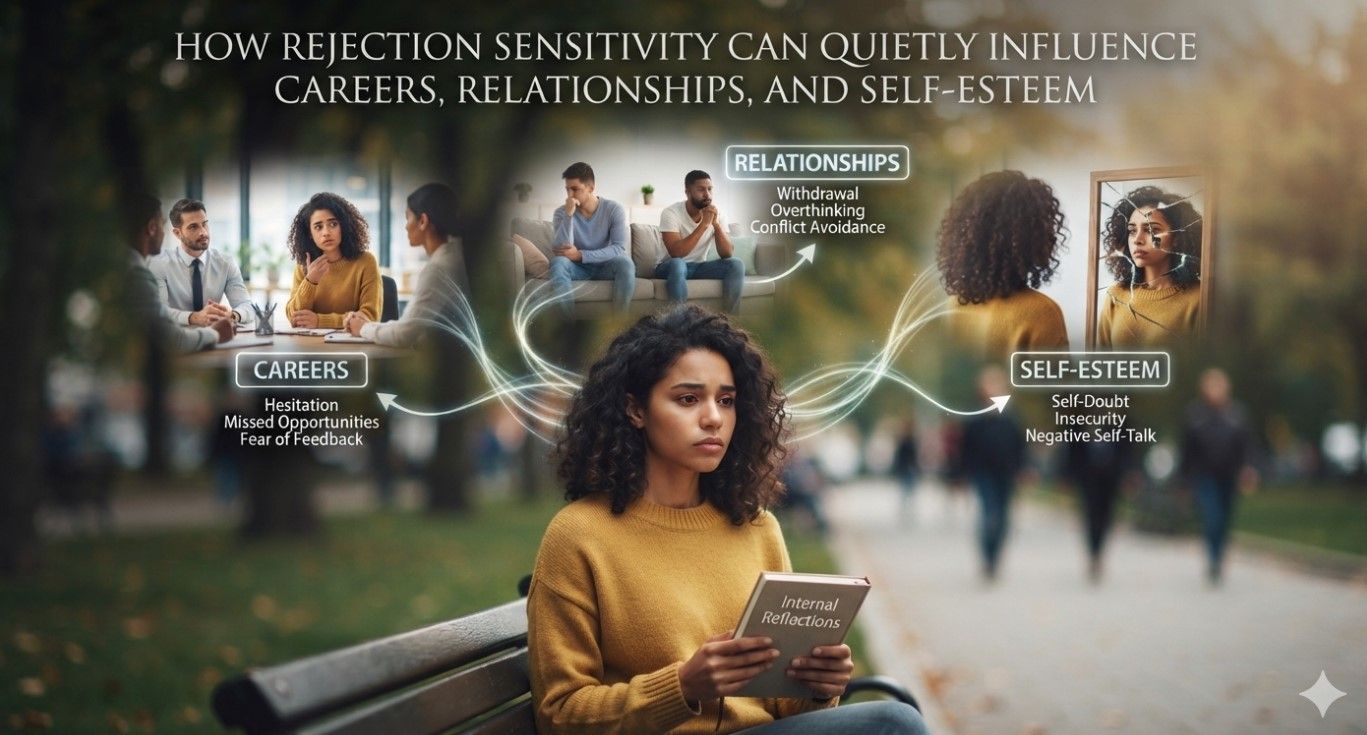
Masking does not only affect the individual because it can also influence relationships with partners, family members, friends, and coworkers. When someone constantly tries to appear unaffected, the people closest to them may not understand why they suddenly become withdrawn or emotionally exhausted. A partner may see the polished version presented to the outside world and wonder why there seems to be so little energy left at home. Friends may not realize that social interaction requires extensive mental effort and interpret canceled plans as disinterest. Family members may become confused when someone appears highly successful in one area of life while struggling significantly in another. The person with ADHD may also avoid discussing their internal experience because they fear sounding like they are making excuses. This lack of openness can create distance and misunderstanding even in relationships where genuine support would otherwise be available.
Burnout Is Often the Breaking Point
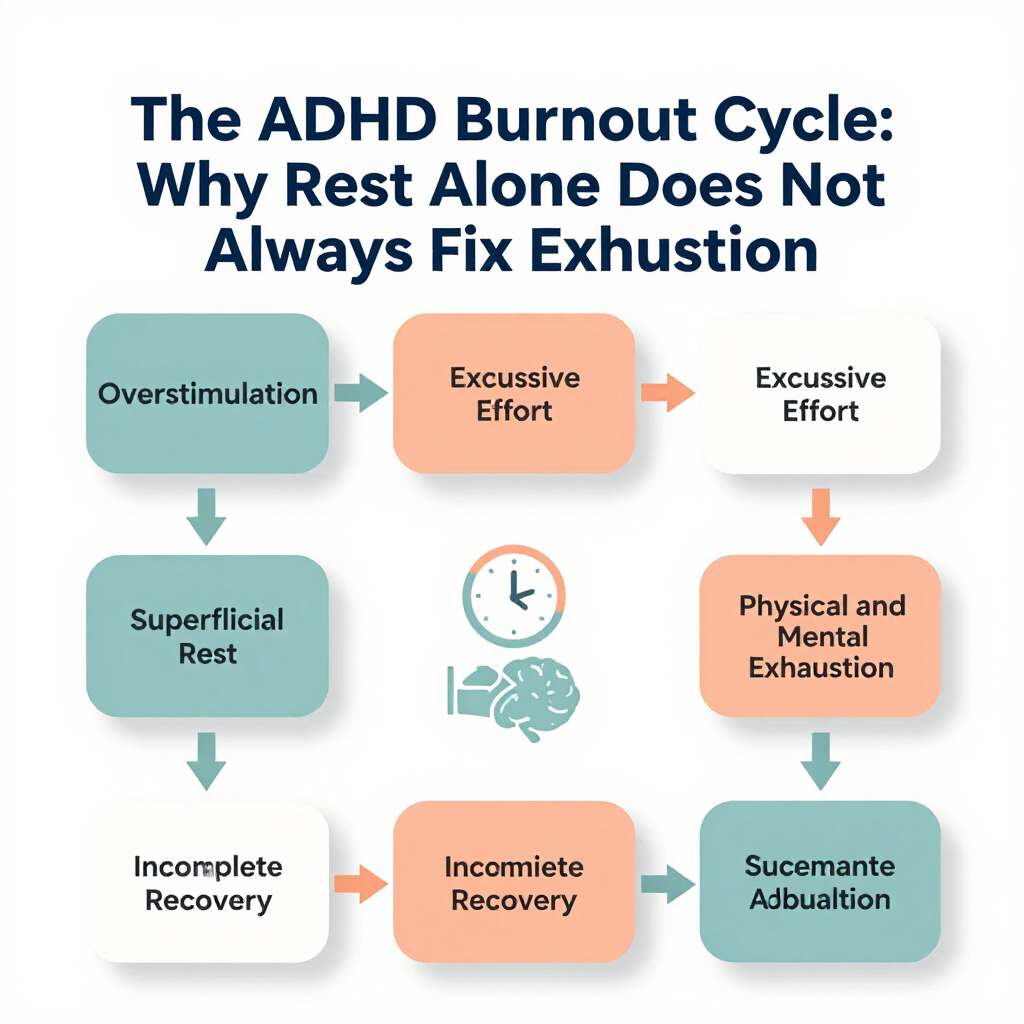
Many adults do not begin seriously examining their relationship with ADHD until their usual coping mechanisms stop working. They may have spent years relying on intelligence, last-minute urgency, perfectionism, excessive work hours, or people-pleasing to compensate for executive functioning challenges. Eventually, increased responsibilities can overwhelm these strategies. A demanding career, parenthood, major life changes, or accumulated stress may make it impossible to maintain the same level of masking. What once looked like high functioning can suddenly feel unsustainable. The individual may experience severe exhaustion and wonder why they can no longer do things they managed in the past. In reality, the problem may not be that they have suddenly become less capable, but that the emotional and cognitive cost of constant compensation has finally become too high.
Understanding ADHD Without the Need to Perform
Moving away from the pressure to act normal does not mean abandoning responsibility or deciding that ADHD explains every difficulty. Instead, it means developing a more accurate understanding of how the brain works and finding strategies that support rather than punish that reality. Effective support can involve learning practical organizational methods, improving emotional awareness, creating realistic routines, and addressing patterns of shame that have developed over time. It may also mean recognizing that different environments require different approaches rather than assuming there is one correct way to be productive. Self-understanding allows people to make intentional choices instead of constantly reacting to fear of failure. The goal is not to become a completely different person who never struggles, but to reduce the unnecessary energy spent pretending those struggles do not exist. When individuals stop measuring themselves exclusively against expectations that may not fit their neurological needs, they can begin creating systems that support genuine well-being.
Giving Yourself Permission to Stop Pretending
There can be enormous emotional relief in realizing that you do not have to earn acceptance by constantly hiding who you are. This does not happen overnight because years of masking can become an automatic response to stress. Many people need time to identify which behaviors are authentic preferences and which were developed purely as protection against judgment. Learning to communicate needs, establish boundaries, and accept imperfections can feel uncomfortable at first, particularly for someone who has spent years trying to prove their competence. However, authenticity does not mean refusing to grow or improve. It means allowing growth to come from self-understanding rather than self-rejection. At FocusDFW, we believe that helping individuals understand ADHD involves looking beyond symptoms and recognizing the emotional experiences that often develop alongside them.
A Different Definition of Success
Perhaps the greatest shift comes when success is no longer defined by how convincingly someone can appear unaffected. Real success may involve completing responsibilities without sacrificing every ounce of emotional energy. It may mean asking for clarification instead of pretending to understand, taking breaks before reaching burnout, or using systems that accommodate the way one's mind naturally processes information. It may also involve choosing relationships and environments where authenticity is valued rather than punished. Years spent trying to act normal can leave behind exhaustion, anxiety, and a deeply rooted fear of being exposed as inadequate. Yet understanding those patterns creates an opportunity to build a different relationship with oneself. Rather than spending every day performing normality, individuals with ADHD can begin focusing on something far more sustainable: understanding their needs, accepting their differences, and creating a life where they no longer have to hide in order to feel worthy.